

















This post is also available in: Français (French) العربية (Arabic)
It was titled Our Bodies, Ourselves. First published in 1971 by the Boston Women’s Health Book Collective, the pioneering encyclopedia on women’s bodies was written by women scholars, doctors, and activists and addressed many topics, including a persisting taboo: that of women’s old age.
The authors described the stereotype surrounding menopause in the following passage:
“The popular image depicts menopausal women as tired, intractable, irritable, cantankerous, unattractive, unbearable (so much so that their husbands would be justified in seeking the company of another woman), irrationally depressed, terrified of the change that marks their (re)productive life.”
More than 50 years later, the history and legacy of Our Bodies, Ourselves, which has been translated into hundreds of languages, continue to resonate. The book will be honored with a major conference in the United States in March 2027, and in Italy in February 2027, at Altradimora.
The Italian debate: Ageing as feminist dissent
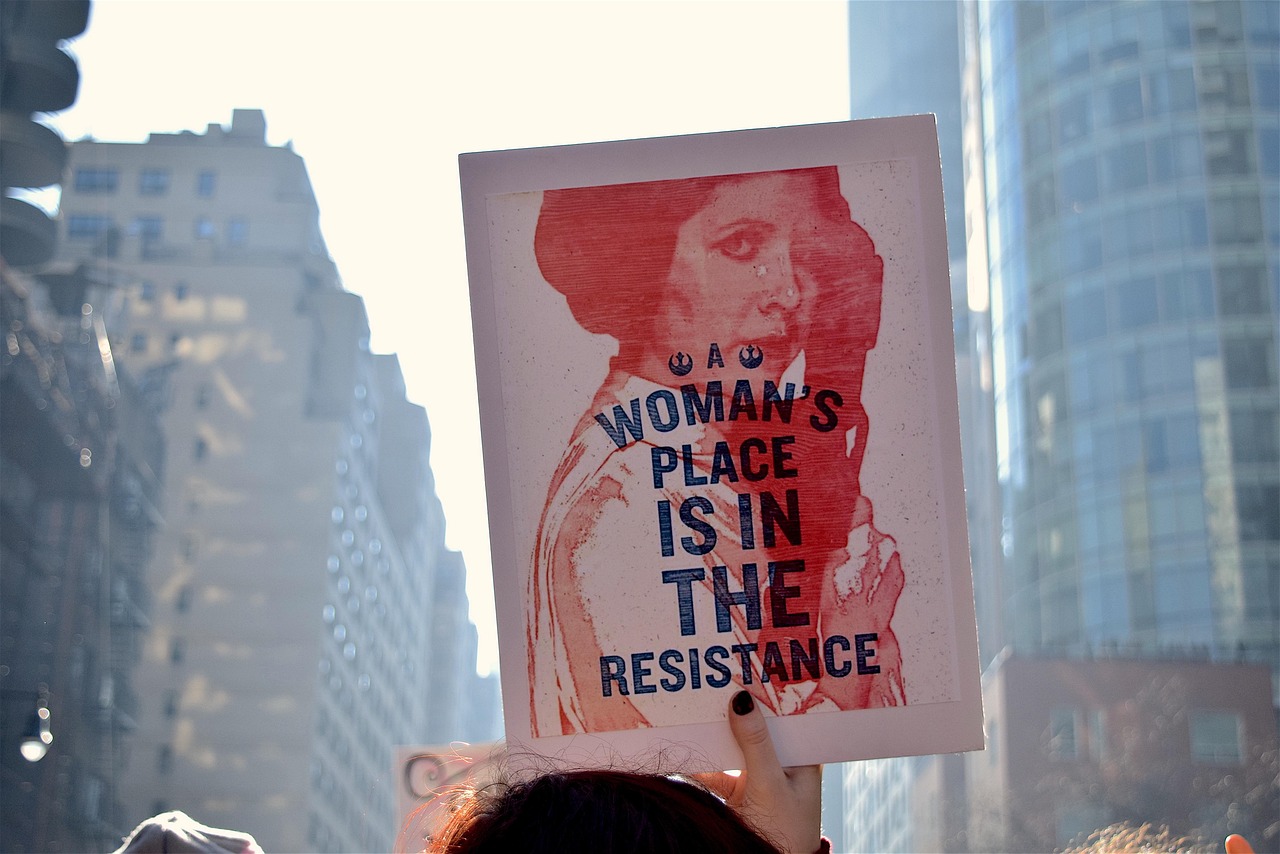
In Italy, debate around women’s old age has repeatedly surfaced. This stage of life, which could be rich and precious, remains difficult for women to inhabit and is marked by stubborn stereotypes. As Germaine Greer, author of The Female Eunuch, argued in her 1992 book The Change, menopause and ageing can become acts of resistance:
“There are positive aspects to being a terrible old woman. Provided that older women like themselves, they are not destined to be an oppressed minority. In order to like themselves, they must reject the extreme tendency to trivialize their identity and function. An adult woman should not disguise herself as a young girl in order to remain in the land of the living.”
Greer reminds us that there have always been women who resisted the lure of eternal youth and accepted ageing, who lived through menopause with independence and dignity, and who reshaped their lives so that their new adult status could flourish. In a childish world, Greer observes, such women are perceived as a threat. No one knows what to do with a woman who does not constantly smile and flatter.
“We have lived too long and know too much to be forced into a category.”
Italian voices on women and time
In Italy, the debate on women’s old age has been heated, ultimately thanks to the writers who have openly addressed it. in 1995, Clara Sereni published Eppure, a collection of 11 short stories revealing not only the fatigue of ageing but also its beauty and nuance. More recently, in 2023, Lidia Ravera brought older women back to the center of fiction with Age Pride. Ravera, who had already broken sexual taboos in 1976 with Porci con le ali (Pigs Have Wings), writes:
“Life ends when everything stops. Like athletes, we must move with it, learn its pace, accelerate and slow down on command, bend and then make the leap necessary to avoid being thrown off. We must remain agile. Not young, agile. Flexible. We must learn to move in time with Time. Without stubbornly imitating outdated models. But without hiding. Above all, without hiding.”
Her reflection arrives at a crucial demographic moment: one third of Italy’s population is now over 60, with decades of life still ahead. This is an unprecedented reality. But, as Ravera asks, is it an achievement, or a condemnation? For longevity to be a privilege rather than a sentence, she argues, we must dismantle stereotypes, those “false truths that have never been verified but have become established through repetition, making us fearful and conformist. They are the bars of the cage that imprisons the third age.”
“We have lived too long and know too much to be forced into a category,” she insists.
(In)visibility and the fear of the ageing female body
At its core, Ravera’s work is an invitation to celebration: to celebrate pride in having lived, to celebrate the desire to continue the journey. Each age is a foreign country to be crossed with curiosity, not a stage of a via crucis to be endured. Through the story of her own conflicted relationship with ageing, Ravera uncovers the majestic joy hidden in maturity. Time, once perceived as an enemy creeping up on us, can become an ally that opens the door to an unexpected freedom and inner revolution.
This is no simple task. As Susan Sontag famously observed, male old age is often associated with authority and talent, while female old age is ridiculed or treated as obscene. A society that views women primarily through the lens of reproduction frequently relegates them to the margins once that function ends.
Male old age is often associated with authority and talent, while female old age is ridiculed or treated as obscene.
There is a painful paradox here. The generation of women who spearheaded the sexual revolution of the 1960s, who reclaimed their bodies and lived their sexuality freely, often struggle to accept those same bodies as they age. Ravera’s invitation is fundamental in this regard: while the beauty of youth may fade, clinging to it is a sign of weakness. Women often come to despise ageing bodies because they are no longer considered objects of desire by mainstream society. Yet old age possesses prerogatives unavailable at any other time of life. If one has lived with self-respect, old age can become an opportunity.
Reclaiming age as a feminist act
Ravera addresses her contemporaries, the first generation to live so long, with a rallying cry:
“It would be enough to proudly display the powerful achievements of intelligence, taste, irony, lightness, and empathy.”
To wave the flag of longevity, not as boredom or inevitable decline, but as the fruit of the effort of living, of the talent that requires balancing awareness and expectations. To create instead of copy, to relaunch instead of submit, to rewrite the access codes to happiness. To rebel instead of obey the market law of eternal bodies.
On this 8th of March, reclaiming old age may be one of the most radical feminist acts of all.