Tell us about CEAR: what is it, and what work does it do?
CEAR is a Spanish NGO that has been active for more than 45 years, dedicated to the protection of asylum seekers and refugees, as well as migrants in vulnerable situations. Its work focuses on two main areas: direct intervention, which includes managing reception centers and providing psychological, legal, and social support, as well as language instruction and employment assistance, and political action, which aims to foster dialogue, promote policy change in collaboration with public authorities, and raise public awareness.
You recently posted on Instagram about the increase in the trafficking of women and children. Could you tell us more about your observations?
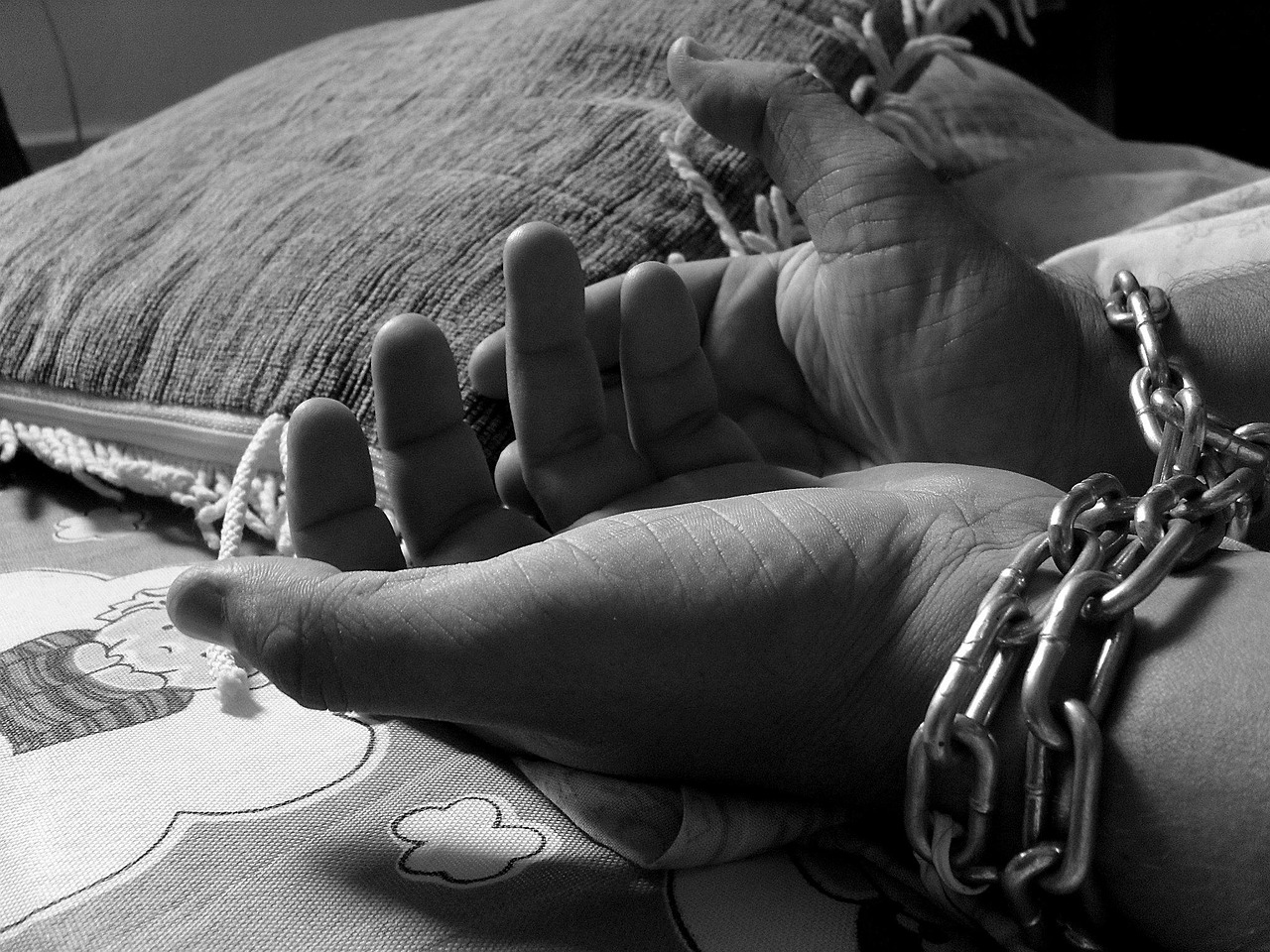
The figures in the post come from UN data, which confirm that trafficking disproportionately affects women and children. It is important to clarify that at CEAR, we always speak from the perspective of international protection and asylum, our area of work and the lens through which we detect trafficking cases. These cases are then reported to the police, who are the authority responsible for formal identification. What concerns us most are the cases that go undetected.
We have also observed that many women and children continue to be victims of trafficking. Women are most often exploited for sexual or domestic work, but the number of men trafficked for labor exploitation is rising, as is the number of LGBTQ+ men trafficked for sexual exploitation. In the past two years, we have also detected a small number of Somali women who have shared testimonies of being trafficked for sexual exploitation and forced marriage. In these cases, Spain is not the final destination, and we do not yet have official information—only the women’s accounts.
Are there risk factors or gaps in the system that make victims more vulnerable?
One risk factor is the vulnerability of applicants for international protection and migrants, especially those in irregular situations. Many trafficking victims are exploited by people they know, such as family members in the case of minors.
In Spain, more effort is needed in detection and specialization, particularly within public services such as healthcare and social services—institutions that victims are most likely to come into contact with, as they rarely approach specialized anti-trafficking organizations directly. Police training at border points, including airports and sea routes like those to the Canary Islands, should also be strengthened to better identify cases of recruitment and transfer. This is crucial, as in some instances exploitation has not yet occurred when people arrive in the country, meaning they may not even realize they are victims of trafficking.
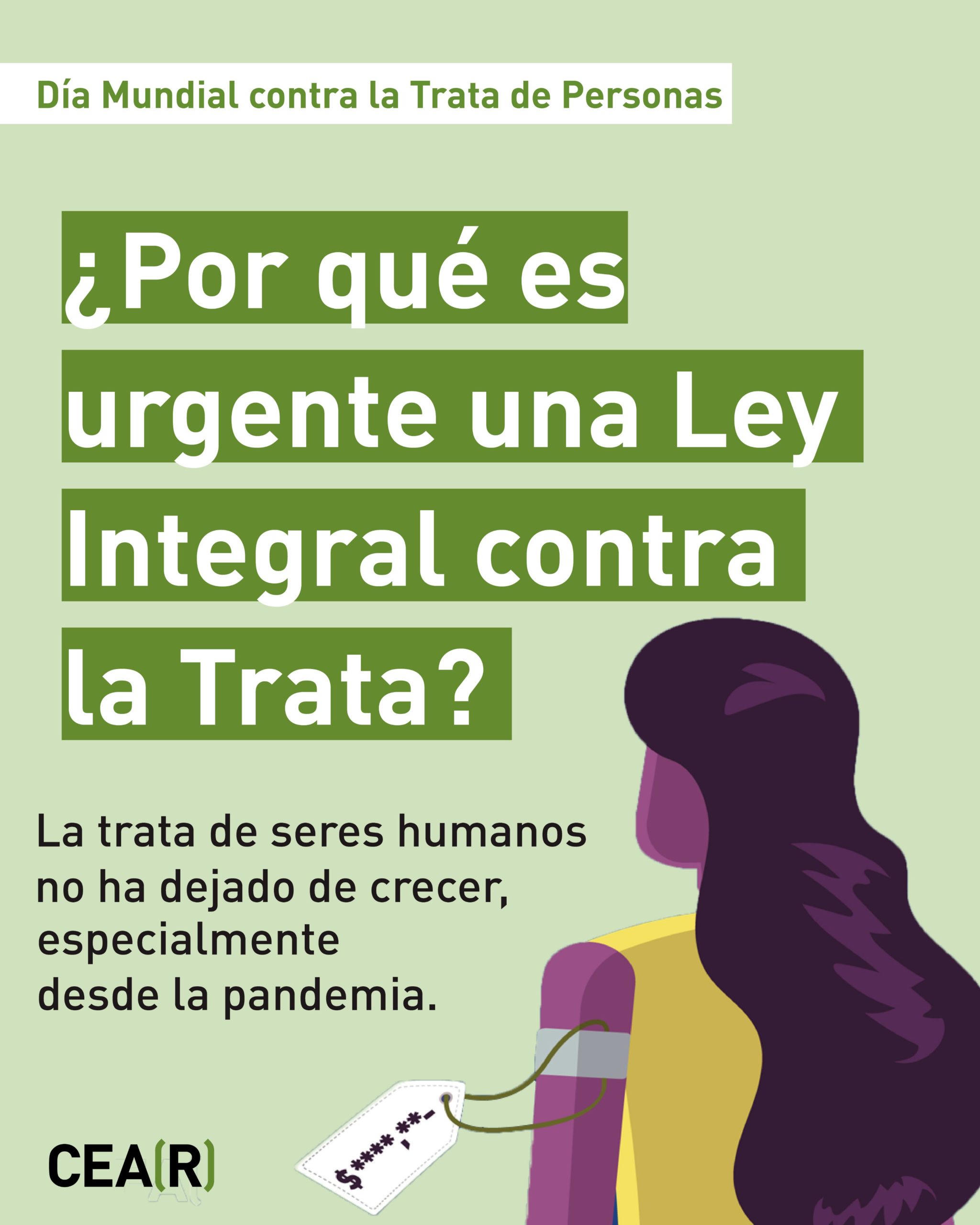
At CEAR, you are calling for a comprehensive law against human trafficking. What aspects are not covered by current legislation? What specific changes is CEAR proposing for the trafficking law?
At present, there is no comprehensive law, but rather a fragmented regulatory framework: Article 177 bis of the Criminal Code, the Immigration Law, and various protocols. In 2024, the Council of Ministers approved the Draft Organic Law on Combating Trafficking and the Exploitation of Human Beings, but it has not yet been definitively passed. In addition, Directive (EU) 2024/1712, which amends Directive 2011/36/EU and strengthens detection and identification processes, must be transposed by 15 July 2026; otherwise, Spain could face infringement proceedings from the European Commission. For CEAR, it is essential that the future law address all forms of trafficking and include provisions on criminal justice, prevention, victim support, and awareness-raising.
Beyond legal reform, what support services or protection measures are most urgent?
In the field of protection and asylum, we need more spaces in shelters for trafficking victims and more specialized resources. For example, there are not always reception centers adapted for men or for adults with children in their care, and both psychological and legal support require improvement.
As I mentioned earlier, trafficking is often viewed only through the lens of sexual exploitation, but we need to broaden this focus to include other forms of trafficking. We also need to change where we look: while attention was once centered on brothels, it is now essential to look online and on social networks.
In your opinion, what role can civil society, NGOs, and local associations and groups play in preventing trafficking and supporting victims?
In the case of NGOs, it is important for specialized organizations to be more involved and participate more consistently in formal detection and protection mechanisms. In terms of prevention, awareness-raising is key: through school talks, campaigns in sectors such as agriculture, and community activities that help broaden public knowledge and understanding of the issue.