• it VO
  • fr Français
  • en English
  • ar العربية
About us
  • In-depth
    • All
    • Features
    • Files
    • World
    In Mediterranean Region: Sexual and Reproductive Rights Under Pressure

    In Mediterranean Region: Sexual and Reproductive Rights Under Pressure

    Morocco: 600 abortions a day—Alarming figures and tragic stories

    Morocco: 600 abortions a day—Alarming figures and tragic stories

    In Spain, the right to abortion is not guaranteed for all

    In Spain, the right to abortion is not guaranteed for all

    Invisible and vulnerable: Migrant women at the frontlines of Spain’s prostitution debate

    Invisible and vulnerable: Migrant women at the frontlines of Spain’s prostitution debate

    Serbia: Is contraception a luxury or a basic human right?

    Serbia: Is contraception a luxury or a basic human right?

    Trending Tags

    • Women artists
    • Ecofeminism
    • Women living from and on the streets
    • Women and bodies
    • Women and sports
    • Women and cinema
    • Ramadan series
    • Women and war
    • Women Living at the Margins
    • Press Freedom from the Perspective of Women Journalists
    • Period poverty
    • Gynecological violence
    • Women and prison
    • Safe spaces
    • Abortion and SRHR
    • Transgenderism
    • Women in rural areas
  • On the move
    Spain: CEAR and the fight against human trafficking

    Spain: CEAR and the fight against human trafficking

    Gaza: How many journalists must be killed for the world to react?

    Gaza: How many journalists must be killed for the world to react?

    Moroccan activist Ibtissam Lachgar held in solitary confinement, health in crisis

    Moroccan activist Ibtissam Lachgar held in solitary confinement, health in crisis

    Three women for one man’s pay: The plight of female agricultural workers in Egypt

    Three women for one man’s pay: The plight of female agricultural workers in Egypt

  • Portraits
    Sophie Bessis: “The battle for the intimate will be long, especially in the Global South!”

    Sophie Bessis: “The battle for the intimate will be long, especially in the Global South!”

    “Mom, Dad, Can We Talk About Privacy?”—A Tunisian children’s book on protecting kids from sexual violence

    “Mom, Dad, Can We Talk About Privacy?”—A Tunisian children’s book on protecting kids from sexual violence

    Kurdish journalist killed in Turkish drone strike in northeastern Syria

    Kurdish journalist killed in Turkish drone strike in northeastern Syria

    A Filmmaker’s Journey: Inside the Creative World of Margarita Bareikyte

    A Filmmaker’s Journey: Inside the Creative World of Margarita Bareikyte

  • Creations
    • All
    • Reviews
    • Visual Arts
    “La Malédiction (1)”, a theatrical adaptation of King Kong Theory bursting with Tunisian rage

    “La Malédiction (1)”, a theatrical adaptation of King Kong Theory bursting with Tunisian rage

    “Mom, Dad, Can We Talk About Privacy?”—A Tunisian children’s book on protecting kids from sexual violence

    “Mom, Dad, Can We Talk About Privacy?”—A Tunisian children’s book on protecting kids from sexual violence

    The El’Sardines series, a delicate feminist manifesto centered around an ecological mystery

    The El’Sardines series, a delicate feminist manifesto centered around an ecological mystery

    Atlantics, a film by Mati Diop: Filming the embodied resistance of spirits

    Atlantics, a film by Mati Diop: Filming the embodied resistance of spirits

  • Opinion
    Women in Gaza are living their worst nightmares - “ I want to go back to my life before the war, to my privacy, my home ”

    Women in Gaza are living their worst nightmares - “ I want to go back to my life before the war, to my privacy, my home ”

    Messages from life under bombardment—Can a mother cope with losing her six children at once? (10)

    Messages from life under bombardment—Can a mother cope with losing her six children at once? (10)

    Messages from life under bombardment—No cake for my children on their birthdays (9)

    Messages from life under bombardment—No cake for my children on their birthdays (9)

    Messages from life under bombardment – No food or water in Gaza (8)

    Messages from life under bombardment – No food or water in Gaza (8)

  • Multimedia
    "I hope it doesn’t go viral: Journalism and sexist attacks in digital age". A video investigation by Çiçek Tahaoğlu

    "I hope it doesn’t go viral: Journalism and sexist attacks in digital age". A video investigation by Çiçek Tahaoğlu

    Period poverty in Montenegro

    Period poverty in Montenegro

    Period poverty in France (1)

    Period poverty in France (1)

    Period Poverty in Italy

    Period Poverty in Italy

  • Country context
No Result
View All Result
BLOGS
Medfeminiswiya
  • In-depth
    • All
    • Features
    • Files
    • World
    In Mediterranean Region: Sexual and Reproductive Rights Under Pressure

    In Mediterranean Region: Sexual and Reproductive Rights Under Pressure

    Morocco: 600 abortions a day—Alarming figures and tragic stories

    Morocco: 600 abortions a day—Alarming figures and tragic stories

    In Spain, the right to abortion is not guaranteed for all

    In Spain, the right to abortion is not guaranteed for all

    Invisible and vulnerable: Migrant women at the frontlines of Spain’s prostitution debate

    Invisible and vulnerable: Migrant women at the frontlines of Spain’s prostitution debate

    Serbia: Is contraception a luxury or a basic human right?

    Serbia: Is contraception a luxury or a basic human right?

    Trending Tags

    • Women artists
    • Ecofeminism
    • Women living from and on the streets
    • Women and bodies
    • Women and sports
    • Women and cinema
    • Ramadan series
    • Women and war
    • Women Living at the Margins
    • Press Freedom from the Perspective of Women Journalists
    • Period poverty
    • Gynecological violence
    • Women and prison
    • Safe spaces
    • Abortion and SRHR
    • Transgenderism
    • Women in rural areas
  • On the move
    Spain: CEAR and the fight against human trafficking

    Spain: CEAR and the fight against human trafficking

    Gaza: How many journalists must be killed for the world to react?

    Gaza: How many journalists must be killed for the world to react?

    Moroccan activist Ibtissam Lachgar held in solitary confinement, health in crisis

    Moroccan activist Ibtissam Lachgar held in solitary confinement, health in crisis

    Three women for one man’s pay: The plight of female agricultural workers in Egypt

    Three women for one man’s pay: The plight of female agricultural workers in Egypt

  • Portraits
    Sophie Bessis: “The battle for the intimate will be long, especially in the Global South!”

    Sophie Bessis: “The battle for the intimate will be long, especially in the Global South!”

    “Mom, Dad, Can We Talk About Privacy?”—A Tunisian children’s book on protecting kids from sexual violence

    “Mom, Dad, Can We Talk About Privacy?”—A Tunisian children’s book on protecting kids from sexual violence

    Kurdish journalist killed in Turkish drone strike in northeastern Syria

    Kurdish journalist killed in Turkish drone strike in northeastern Syria

    A Filmmaker’s Journey: Inside the Creative World of Margarita Bareikyte

    A Filmmaker’s Journey: Inside the Creative World of Margarita Bareikyte

  • Creations
    • All
    • Reviews
    • Visual Arts
    “La Malédiction (1)”, a theatrical adaptation of King Kong Theory bursting with Tunisian rage

    “La Malédiction (1)”, a theatrical adaptation of King Kong Theory bursting with Tunisian rage

    “Mom, Dad, Can We Talk About Privacy?”—A Tunisian children’s book on protecting kids from sexual violence

    “Mom, Dad, Can We Talk About Privacy?”—A Tunisian children’s book on protecting kids from sexual violence

    The El’Sardines series, a delicate feminist manifesto centered around an ecological mystery

    The El’Sardines series, a delicate feminist manifesto centered around an ecological mystery

    Atlantics, a film by Mati Diop: Filming the embodied resistance of spirits

    Atlantics, a film by Mati Diop: Filming the embodied resistance of spirits

  • Opinion
    Women in Gaza are living their worst nightmares - “ I want to go back to my life before the war, to my privacy, my home ”

    Women in Gaza are living their worst nightmares - “ I want to go back to my life before the war, to my privacy, my home ”

    Messages from life under bombardment—Can a mother cope with losing her six children at once? (10)

    Messages from life under bombardment—Can a mother cope with losing her six children at once? (10)

    Messages from life under bombardment—No cake for my children on their birthdays (9)

    Messages from life under bombardment—No cake for my children on their birthdays (9)

    Messages from life under bombardment – No food or water in Gaza (8)

    Messages from life under bombardment – No food or water in Gaza (8)

  • Multimedia
    "I hope it doesn’t go viral: Journalism and sexist attacks in digital age". A video investigation by Çiçek Tahaoğlu

    "I hope it doesn’t go viral: Journalism and sexist attacks in digital age". A video investigation by Çiçek Tahaoğlu

    Period poverty in Montenegro

    Period poverty in Montenegro

    Period poverty in France (1)

    Period poverty in France (1)

    Period Poverty in Italy

    Period Poverty in Italy

  • Country context
About us
Medfeminiswiya
About us

Forgotten workers in the garbage dumps of Damascus

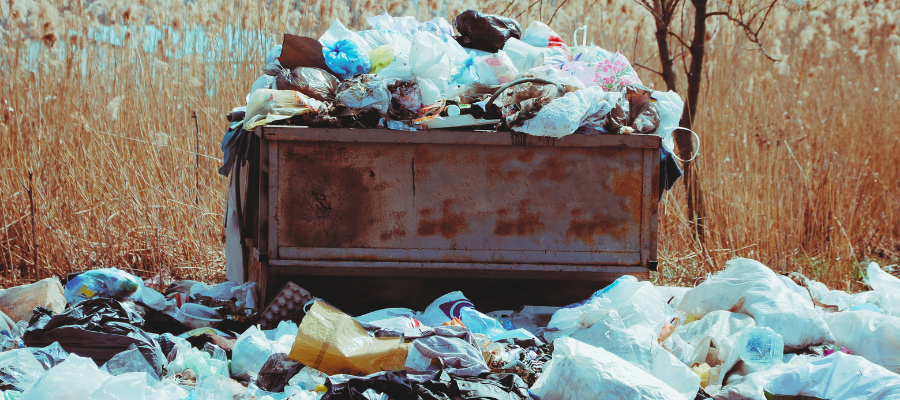
Children and women, the elderly, people living with disability… have all come to know that dumpsters are the only refuge left for them in a city that “has enough lovers to fill up the world but is blue enough to drown five continents.” Finding ways to survive in this city has become an ordeal for the Syrians who have stayed.

Rahada Abdoush by Rahada Abdoush
12 July 2023
in Files, In-depth
47 1
0
Share on FacebookShare on Twitter

This post is also available in: Français (French) العربية (Arabic)

If Muzaffar al-Nawwab’s soul were to hover over Damascus one day, he would no longer encounter the city that was once described as “the point where a dream and its ending meet, the point where al-Fath and its convoys began, the point where the essence of poetry traps poets in its spell.” The Iraqi poet’s verses about his beloved Damascus would instead collide with the gloom of the women and girls whose faces and bodies are covered up and masked, the better to hide from the eyes of passersby and the shame of their gazes as they frown at them, full of contempt for the manifestations of homelessness and poverty.

Everyone—children and women, the elderly, people living with disability—have all come to know that dumpsters are the only refuge left for them in a city that “has enough lovers to fill up the world but is blue enough to drown five continents.” Finding ways to survive in this city has become an ordeal for the Syrian men and women who have stayed, especially the women who embody the intersections of multiple levels of oppression and violence.

Sanaa (a pseudonym) who is seventeen years old, flings herself into a dumpster with the agility of someone who knows her way around one: she has an awareness of the details, the corners, the depth and width of it, and the distance between a dumpster and the next one. I used to watch her every morning as she arrived at the dumpsite at 5:30 AM. I could see her from the balcony of my house, located on the mountain overlooking the orchards of Jerash, so rich in beauty and bounty, and so vast. A surreal image, juxtaposing the beauty of nature with the problems of the world and their drabness, the post-war world covered in a pale grey.

Sanaa lives with her grandmother, aunt, infant son, and younger brother. Their father was disappeared, and their mother died from a barrel bomb, or a shell, what’s the difference? The visible part of her face is covered with scars, and her hazel eyes hint that she is constantly trying to escape the sadness of a story that thousands of Syrian children know too well—the children who lived through the war and had to grow up very young.

Sanaa

“I was in the third grade when I had to leave school and started working in the orchards of Jerash, harvesting crops with my aunt and grandmother in exchange for living in a tin house inside one of the orchards,” Sanaa tells Medfeminiswiya. “Two years ago, I started working in garbage collection because things were getting very tight. Our neighbor offered me a job with them for more money than I was earning in agriculture, and my wage varies according to my daily collection of plastic and egg cartons,” she continues, adding, “I got married to this neighbor’s son a year ago, and my situation today is better than it was then, but all I can think about is getting home and resting.”

Sanaa doesn’t realize that she has lost her rights to education, shelter, and healthcare, all protected by the Convention on the Rights of the Child, not to mention her rights under CEDAW, which focuses on eliminating discrimination against her as a woman and child. She is not necessarily aware of the many risks she is exposed to, which were the object of a study that was conducted on 48 male and female waste collection workers in Santo André, Brazil in 2011. These risks include back and hand injuries resulting from lifting heavy objects with little equipment, as well as other risks that may lead to death and severe consequences on physical and reproductive health.

In 2020, in Syria—not Brazil, three Syrian children were buried after a garbage truck emptied its load on their little bodies while they were rummaging through waste dumps in search of plastic materials. This was on the outskirts of the town of Maarrat Misrin in rural Idlib.

In addition to Sanaa, we also met Hasna, a woman in her 30’s who recently realized the disastrous consequences that working in garbage collection has had on her health. “I go out every morning to work and leave my three children by the mosquito net covering the window—the only source of fresh air in our house, which is a basement—so that they can breathe more easily. I later return with food and medication for my sick husband, but for myself as well: I suffer from permanent bleeding because of my work in garbage dumps,” she says.

Hasna lives with her husband and their three children. Her husband has a kidney disease. She was displaced from Aleppo, and her house in Kashkul, a region on the outskirts of Damascus, was demolished. Kashkul is known for its unfinished slums, houses that are “under construction,” some of their walls covered with waterproofing sheets. She suffers from continuous uterine bleeding after having lost two fetuses in one year. The dispensary doctor prescribed her a medication that she must take on a regular basis.

“What matters today is that I can buy food for my children, pay rent, and buy medicine. As soon as I collect the plastic and batteries, I deliver them to Abu Jassem who pays me what they’re worth. Then he delivers them to the landfill, where everything is sorted and transported to factories,” Hasna explains.

Despite all the dangers and massive suffering, people continue to look at these women and children with merciless eyes

“Our children don’t get sick but they’re not alive either”

During my search for women working in garbage dumps, I came across children digging through trash near the dump in Bab Sharqi. I asked them about what they were doing and about their parents, and they pointed me to their mother, whom we searched for for a while before finding her among the piles of trash. She was taking a nap, or a “warrior’s rest.” I asked her for permission to speak with her, and she agreed but said no to being filmed.

This exhausted woman, a mother, tells us how afraid she is that “the police will find us, follow us, and create all the problems in the world for us.” She laughs, continuing, “I have six children, and the eldest is ten years old. None of them go to school. My damned husband brought me to Damascus from Deir ez-Zor and settled me in this area, where the houses are made of tin. But I was okay, and we had these kids, only I later found out that he had two other wives. He made them clean people’s houses or work in excavation sites. I kicked him out and forbade him from living with me. That’s when I started working as a garbage collector. I use the money I earn working with trash to pay for my medicine and rent, to protect my children and feed them what they feel like eating. You know,” she adds sarcastically, “our children don’t get sick! If they start to, they get better on their own, without a doctor or any medicine. It’s like they’ve developed some sort of immunity.”

Before I left her, she turned to me and said, her Deir ez-Zor accent thick, “I may have said that our kids don’t get sick. But they're not alive, either.”

“Black sector” professions and legal penalties against the young
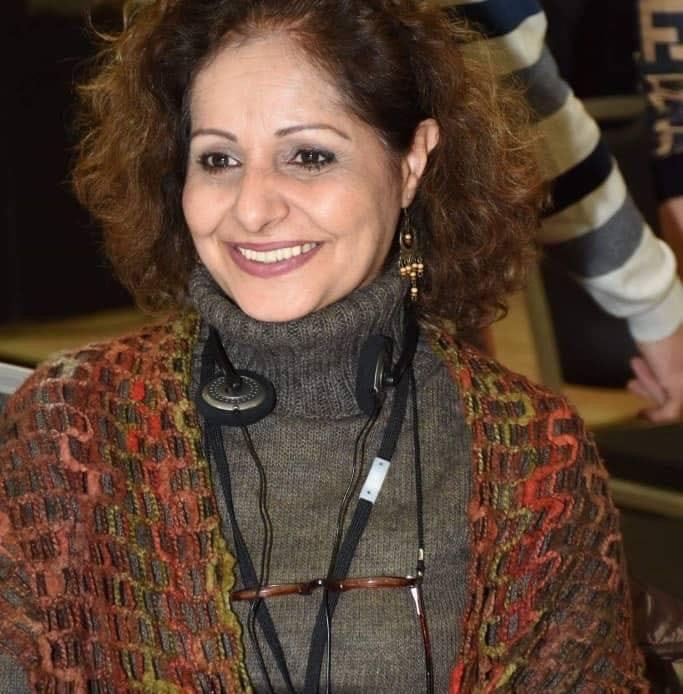
Abeer Al-Saleh, lawyer

“In fact, this type of work has existed for a long time, but it started to spread alarmingly as a result of the deteriorating economic situation and the absence of sponsoring institutions that take on the responsibility of protecting children, women, and all citizens in accordance with internal laws, ratified agreements, and the labor law. This work happens in the shadows. It’s part of the “black sector” that doesn’t protect workers from any violation they may be subjected to—on the contrary,” explains lawyer Abeer Al-Saleh.

Al-Saleh adds, “Law No. 49 of 2004 on Public Hygiene and Preservation of the City Aesthetic Appearance stipulates in Article 6 that it is prohibited, under penalty of culpability and imposition of the penalty stipulated in Chapter Seven of this Law, to scavenge waste from dumpsters, shop bins, and places where garbage is collected.”

The laws therefore consider that scavenging garbage is an unlicensed profession, and if someone is caught doing this work, a fine of 3,000 Syrian liras will be imposed on them. And the people concerned by this pursue those doing these jobs, on the grounds that there are specific groups that are exploiting them and therefore need to be punished, instead of trying to help them and open other doors for them, protecting them. As usual, the youth is punished and the older people keep their work.

“I may have said that our kids don’t get sick. But they're not alive, either.”

Recurrent miscarriages and premature births

To expand on the risks that women working in garbage dumps are exposed to, we spoke to gynecologist Dr. Sherine Jamal, who explains to Medfeminiswiya the types of reproductive health issues these women suffer from. Everything is based on cases she has seen herself in nearby clinics. “These women suffer from malnutrition and recurring infections (severely low blood pressure) as a result of their exposure to pollution and toxic substances. They suffer from fatigue and exhaustion due to the nature of their work, which causes involuntary abortion or even premature birth in some cases, as well as bleeding in the first month of pregnancy, a difficulty giving birth, and fetal weight loss. Failure to monitor pregnancy and detect it early, especially in the case of young women and adolescents, exposes them to the risk of gestational hypertension and its resulting risks, which include the failure of fetal growth inside the womb and placental abruption, which is very dangerous.”

In addition to the above, the gynecologist also draws attention to the harmful effects of plastic on the health (the effects of endocrine-disrupting chemicals (EDC’s)), confirming that fetal exposure to these chemicals in the womb could program testicular, prostate, and kidney diseases and abnormalities in the immune system, or even cause uterine tumors or bleeding during pregnancy, as well as ovarian cysts. These chemicals also impact the processes of epigenetic inheritance across generations of adult-onset diseases by modulating DNA methylation and clotting in reproductive cells.

But despite all the dangers and massive suffering, people continue to look at these women and children with merciless eyes. That or they completely ignore them and their situation because they feel absolutely helpless in the face of such a miserable reality. Al-Sayyab’s poem about Damascus continues to resound through that beautiful, sad city, as we wait for it to return to its roots, its youth: “And they invited all the fools to take their share of her innocence / Until this became a profession for those who loved her and those who couldn’t / But they may well steal the marrow of its bones / Damascus returns to its youth every time.”
This investigation was carried out with the support of the Tunis Office of the Rosa Luxemburg Foundation.
Tags: Women Living at the Margins
Rahada Abdoush

Rahada Abdoush

Rahada is a Syrian lawyer and women’s rights activist since 2003. She is a journalist whose work was published by several Arabic-speaking outlets, and a trainer specialized in the integration of gender-just perspectives and representations in media contents.

Related posts

“Palestinian Women,” the revived history of women militants for the liberation of Palestine
In-depth

“Palestinian Women,” the revived history of women militants for the liberation of Palestine

by Nathalie Galesne
6 February 2024
863

The documentary by Lebanese director Jocelyne Saab, screened at the 27/20 Festival in Tunis, shook the public. What do these...

Croatia: Men Kneeling in Main Squares for Women’s Chastity
In-depth

Croatia: Men Kneeling in Main Squares for Women’s Chastity

by Snježana Pavić
25 September 2023
804

On the first Saturday of every month, groups of men kneel in the main squares of many cities across Croatia...

Single moms in Lebanon: We fight alone

Single moms in Lebanon: We fight alone

8 June 2021
653
Tunisia: 10 years after 14 January 2011, women are still in Revolution

Tunisia: 10 years after 14 January 2011, women are still in Revolution

10 May 2021
562

Leave a Reply Cancel reply

Your email address will not be published. Required fields are marked *

J'accepte les termes et conditions et la Politique de confidentialité .

Medfeminiswiya

Medfeminiswiya is a feminist network that brings together women journalists working in the fields of media and content production in the Mediterranean region.

Newsletter


    Follow us

    Browse topics


    • In-depth
    • Files
    • Features
    • On the move
    • Portraits
    • Opinion

    • Creations
    • Visual Arts
    • Reviews
    • Multimedia
    • Country Context
    • Blogs
    • About us
    • Our community
    • Our partners
    • Become a member
    • Editorial charter
    • Disclaimer

    © 2025 Medfeminiswiya - Mediterranean Network for Feminist Information

    • it VO
    • fr Français
    • en English
    • ar العربية
    • In-depth
    • On the move
    • Portraits
    • Creations
    • Opinion
    • Multimedia
    • Country context
    • Blogs
    No Result
    View All Result

    © 2025 Medfeminiswiya - Mediterranean Network for Feminist Information

    Welcome Back!

    Login to your account below

    Forgotten Password?

    Retrieve your password

    Please enter your username or email address to reset your password.

    Log In

    Add New Playlist

    Ce site n'utilise pas de cookies. This website does not use cookies. هذا الموقع لا يستخدم ملفات تعريف الارتباط.