Cette publication est également disponible en : Français (French) العربية (Arabic)
“Writing the history of women means emerging from the silence in which they were immersed,” writes the French historian and feminist Michelle Perrot in My History of Women.
Why this invisibility?
Michelle Perrot offers an initial explanation: “Because we see fewer women in public spaces, the only ones that for a long time deserved attention and narrative.”
This relegation to the private sphere is compounded by the silence of the sources, another reason often cited to explain their absence from dominant narratives. Women have left fewer direct traces, written or material, largely because their access to writing, education, and the spaces where archives are created was long limited. Faced with this silence, feminist historians have explored other avenues to bring these invisible memories to light: collecting oral testimonies, unearthing diaries, examining family archives, and documenting artisanal and domestic skills. These traces, long considered secondary, now allow us to reconstruct entire chapters of women’s history.
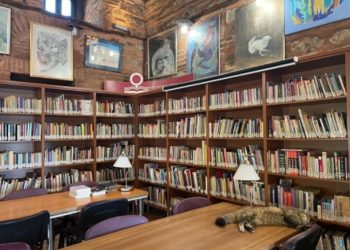
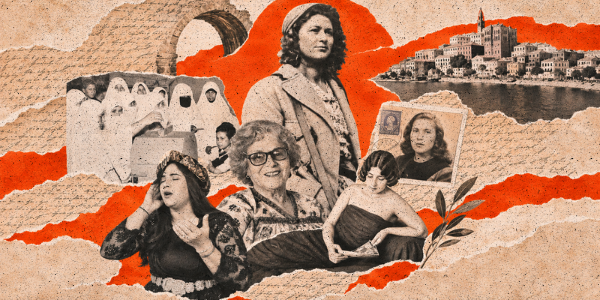
This new Medfeminiswiya dossier aims to bring to light the stories of women and collective experiences too often relegated to the margins of historical narratives. It first takes us to a library that preserves and keeps alive women’s archives in Turkey, then to a Basque village in France where the wounded memory of women accused of witchcraft is being healed. It also invites us to explore the place of women in Tunisian school textbooks and to follow a feminist journey through Istanbul, in the footsteps of the female visual artists long silenced on Istiklal Street.
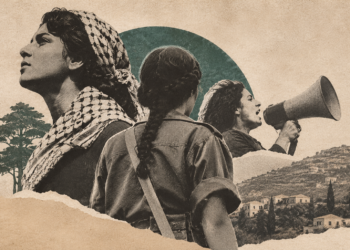
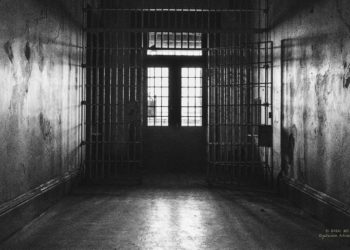
The dossier continues with a look at the memoirs of women in resistance: an Algerian mujahidah, Italian women committed to fighting Nazism, Lebanese fighters from South Lebanon, former Palestinian prisoners, as well as female artists of the dengbêj, fighting to restore their place in this traditional art of narrative songs from Turkish Kurdistan.
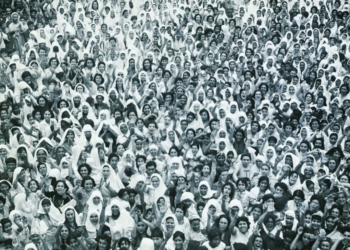
Through these stories, our journalists also participate in essential work of remembrance: restoring women to their rightful place in history, amplifying their voices, and sharing their experiences. This is a way of contributing to rewriting a more complete, just, and inclusive collective narrative.