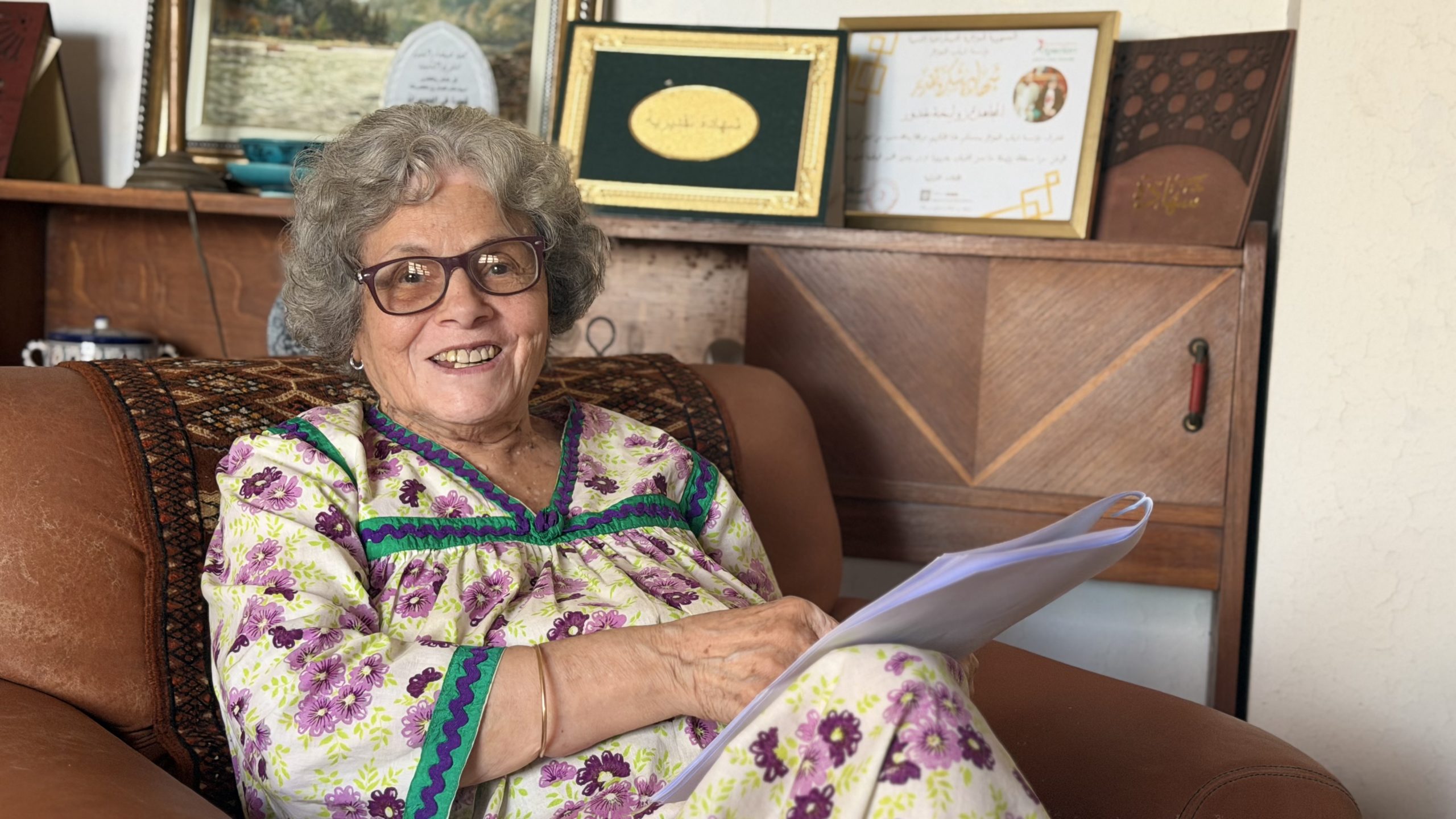
Cette publication est également disponible en : Français (French) العربية (Arabic)
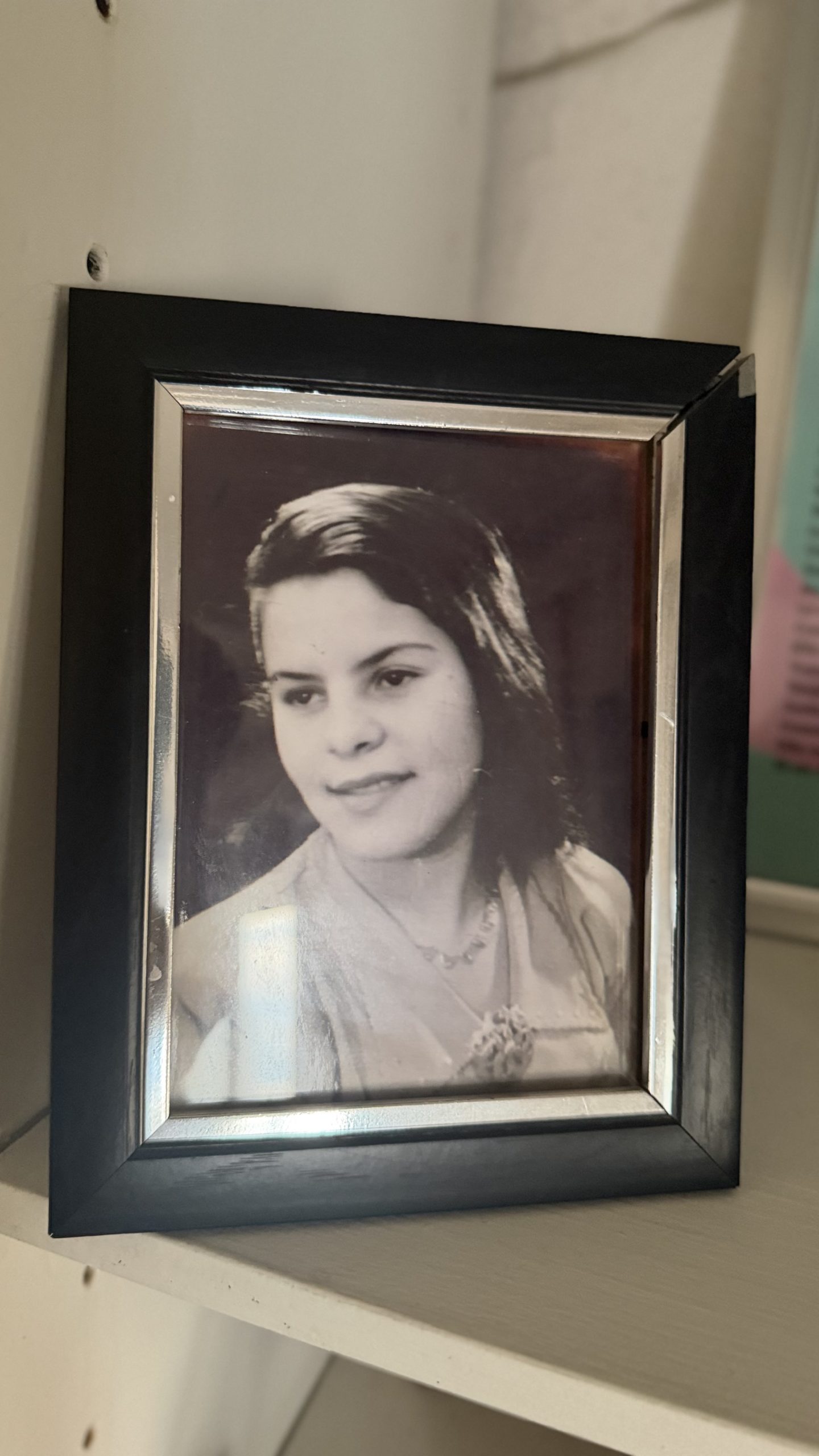
How did your involvement in the struggle begin, in 1955, at the University of Algiers?

In 1955, colonial Algeria had one million settlers and nine million Algerians. At the University of Algiers, there were 5,000 French students and fewer than 500 Algerian students, including just 20 women, myself among them.
When the Algiers branch of the General Union of Algerian Muslim Students (UGEMA) formed its executive committee, Hafsa Bisker and I were elected among its seven members. Faced with the disappearances and killings of students and activists, we could no longer wait. Following debates on May 17 and 18, 1956, an overwhelming majority voted for an indefinite strike from classes and examinations. The May 19 appeal called on students to join the National Liberation Army.
I joined Zone 5, which later became Wilaya V. On Larbi Ben M’hidi’s recommendation, Dr. Nakkache gave me medical training so that I could join the maquis. Hadj Benalla put me in charge of secretarial work and communications between Oran and Algiers, alongside Evelyne Lavalette and my sister, Fatima Zohra.
I was arrested on November 11, 1956, and released in April 1960. I then faced further persecution, particularly in connection with the “Bleuite” (1), until I was expelled from Algeria.
I was also sheltered by Denise Pla, whom we hear so little about. Her involvement cost her her professional career, and she spent a year in prison. Placed under house arrest in France, I escaped and made my way to Tunisia, where I waited until independence before reuniting with my family.
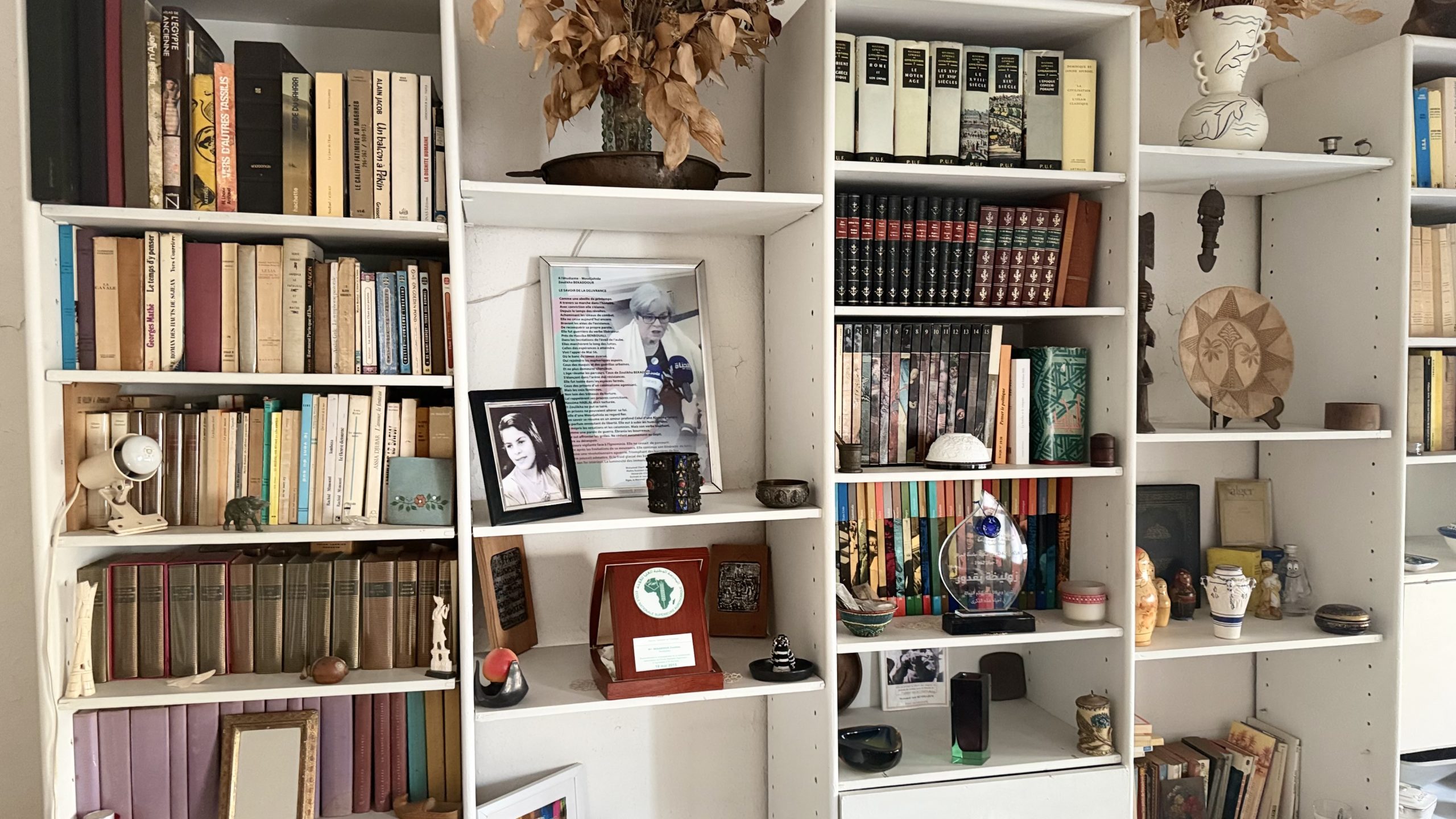
After Algeria gained independence in 1962, when did your story begin to receive recognition?
Initially, through a few radio invitations marking May 19, which had been commemorated since independence and was officially designated National Student Day by decree in 1993. But it was mainly through my book, Ils ont trahi notre combat ! Mémoires d’une rebelle dans la guerre et l’après-guerre, published by Koukou Editions in 2014. In fact, the women who wrote about their experiences have gained some visibility compared with the majority who have remained forgotten.
I had come to understand that writing was a way of fighting invisibility. I wanted to bring recognition not only to my own involvement but also to that of the women and men I had fought alongside. I was particularly determined to name the women whose paths had crossed mine.
It was also a way of denouncing the inferior status imposed on women by the Family Code. We had fought on equal terms with men. In my eyes, some of those we had fought alongside had betrayed that commitment.
You have told your own story and named many other women. Why do so many others remain invisible?
We know about a handful of women, and too often, that is where it ends. In history books, one or two female figures appear alongside countless male figures. I sometimes wonder whether some men were uncomfortable with women’s presence and participation in decision-making.
We should have no illusions: the women who became known often had to assert themselves and find ways to make themselves visible. Some went into politics, others married well-known figures, and others wrote about their experiences.
But what do we know about the rest? About those who were told to go back to the kitchen? Those who chose to raise a family? Once they were no longer active in public or professional life, their contributions were silenced. As though what they had done during the war simply ceased to matter.
We know they were there, yet we have so few names and faces, so few individual stories.
Recently, I have been hearing more accounts of ordinary, previously unknown women on the radio and in the press. I discover them with both interest and regret, because for so many, that invisibility lasted decades.
We had fought on equal terms with men. In my eyes, some of those we had fought alongside had betrayed that commitment.
Why do you so often mention women activists of European origin?
Because I knew them. I was imprisoned alongside some of them. I saw what their involvement cost them.
Some were separated from their families and children. These ruptures with their loved ones sometimes lasted until the end of their lives. I think of Annie Steiner, Raymonde Peschard, and others. These activists lived underground, endured imprisonment and colonial violence, some were murdered. I want people to remember the Larribère sisters, Blanche Moine, and all the others.
Their memory has been erased, and sometimes even their contributions have been called into question. Even today, young people are surprised, sometimes shocked, when they hear about European women who fought for Algeria’s liberation. The same is true of men of European origin. Their background should not be used to erase their struggles from our history.
You also emphasize the women from rural areas and the maquis. Why?
In the cities, we played an important role, and many of us experienced imprisonment. But we were not the only ones. In the maquis, these women lived at the very heart of the war, under even harsher conditions.
We need to speak about the rapes that went unmentioned, about the women who were murdered, raped, sometimes disemboweled, whose names we do not even know. Some left behind not a single photograph. Their lives disappear into a broader historical narrative.
We need to go back to the 132 years of colonization: the denial of education, poverty, hunger. Many women endured the war without even the bare necessities of life.
They provided shelter, protected people, and hid them. They carried and transported weapons. They stood guard when their husbands were away. These responsibilities and risks must be documented.
Too often, what women endured is minimized, as though it were simply to be expected. Some forms of colonial violence, particularly sexual violence, targeted them specifically because they were women. So many women took part in the struggle, yet we know so little about them as individuals.
They provided shelter, protected people, and hid them. They carried and transported weapons. They stood guard when their husbands were away. These responsibilities and risks must be documented.
Was the desire to make visible those whom history has left in the shadows the guiding thread of your book?
I wanted to name my fellow fighters, both men and women, particularly the women, who have been more thoroughly erased. Naming them was a way of bringing them out of invisibility.
This even extended to the book cover. I had wanted it to feature the women teachers murdered by terrorists in Sidi Bel Abbès during the 1990s, so they would never be forgotten. That idea did not come to fruition, but it was important to me to give visibility to women from different periods of our history.
Naming the women we know and telling the stories of those who remain anonymous means a great deal to me. It pains me when I meet young people who know nothing of Nafissa Hamoud or Mamia Chentouf, who founded the Association of Algerian Muslim Women in 1947, one of the first Algerian women’s organizations. Or who have never heard of Izza Bouzekri, Nassima Hablal, Zhor Cherchali, Meriem Benmihoub, Salima El Haffaf, and so many others.
Whenever I have the opportunity, I mention the names that come to mind and share what I know of their lives. It is a way of paying tribute to them, of bringing them out of anonymity. For me, it is a political act.
Toward the end of writing my book, I met a former woman guerrilla fighter on a bus between Algiers and Béjaïa. Her story had remained unknown. Throughout the four-hour journey, she told me about her involvement in the struggle. I was determined to include her story in the book. Listening to her, I came to understand the extent of the suffering and oppression in the maquis, but also the extraordinary resistance and sacrifices.
We would never have achieved independence without all these women. Their experiences had to be passed on.
What can we still do to preserve these memories?
We must meet the moudjahidettes who are still alive, collect their stories, record them, and pass them on. Preserve what we can while there is still time.
Each of us can do something, however small: meet a woman, listen to her, preserve her testimony. Every story matters.
I can tell my own story and share what I know about the women I encountered. But I cannot tell their experiences the way they themselves would. Their words and memories are irreplaceable.
Much of this memory lives on through oral storytelling. It risks disappearing with the women who carry it if we do not document it. Bringing these women out of invisibility means gaining a better understanding of our past so that we can better face the future.
The enfumades were a method of mass killing used by the French colonial army during its conquest of Algeria in the 19th century. The practice involved suffocating entire communities who had taken refuge in caves by filling them with smoke, indiscriminately killing people regardless of age or sex. One of the best-known massacres was that of the Ouled Riah in June 1845, in the Dahra region, carried out by troops under Colonel Pélissier. Several hundred people were killed, possibly more than a thousand according to some estimates.
At the end of the interview, Zoulikha, who has a deep respect for books and the written word, repeatedly draws our attention to the work of Danièle Djamila Amrane-Minne, author of Les femmes algériennes dans la guerre (Algerian Women in the War, Plon, 1991). The daughter of Jacqueline Guerroudj, who was sentenced to death, Amrane-Minne was herself sentenced to seven years in prison. A former resistance fighter, she devoted her research to documenting the lives of women who participated in the struggle for independence.
Zoulikha also mentions Zahia Kherfallah, one of six women sentenced to death during the war, whose story remains largely unknown.
She is aware of the limits of her own testimony: she cannot speak for everyone. Surrounded by her archives, she directs us toward the women who can still tell their own stories. Their voices are missing from our history.