About us
  • it VO
  • fr Français
  • en English
  • ar العربية
No Result
View All Result
Medfeminiswiya - Mediterranean feminist media
  • On the move
  • In-depth
  • Files
  • Artistic Creations
  • Interviews
  • Opinions
  • World
Medfeminiswiya - Mediterranean feminist media
  • On the move
  • In-depth
  • Files
  • Artistic Creations
  • Interviews
  • Opinions
  • World
No Result
View All Result
Medfeminiswiya - Mediterranean feminist media
Home In-depth

Overview of the Medfeminiswiya dossier: Rural women in the Mediterranean

Nathalie Galesneby Nathalie Galesne
7 February 2022
The multifaceted struggle to end abuses against the female daily workers of Huelva- Andalusia

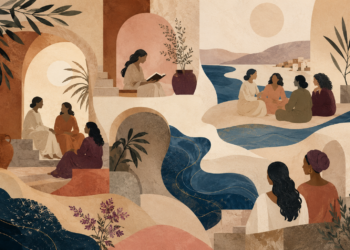
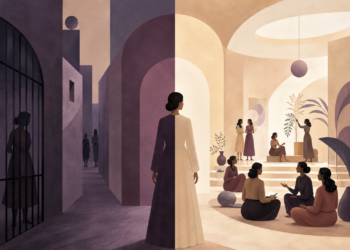
Medfeminiswiya devotes this series of articles to the great forgotten of the rural world, to these women and girls that are too often deprived of fundamental rights and security, to all those who live in the countryside – sometimes in the most remote areas – and cultivate the vast nourishing gardens of the Mediterranean all alone and with their curved backs.

This post is also available in: Français (French) العربية (Arabic)

These articles take us to 6 countries. First of all to Morocco, where young girls tell how they are faced with menstrual precariousness, hiding this monthly blood with makeshift means in territories where menstruation – a real taboo – is still stricken with shame. As Lina Meskine reports, some girls have experienced the unfortunate appearance of a bloodstain on their clothing in a traumatic way, sometimes going so far as to drop out of school. Nevertheless, feminist associations are committed to changing mentalities in this regard.

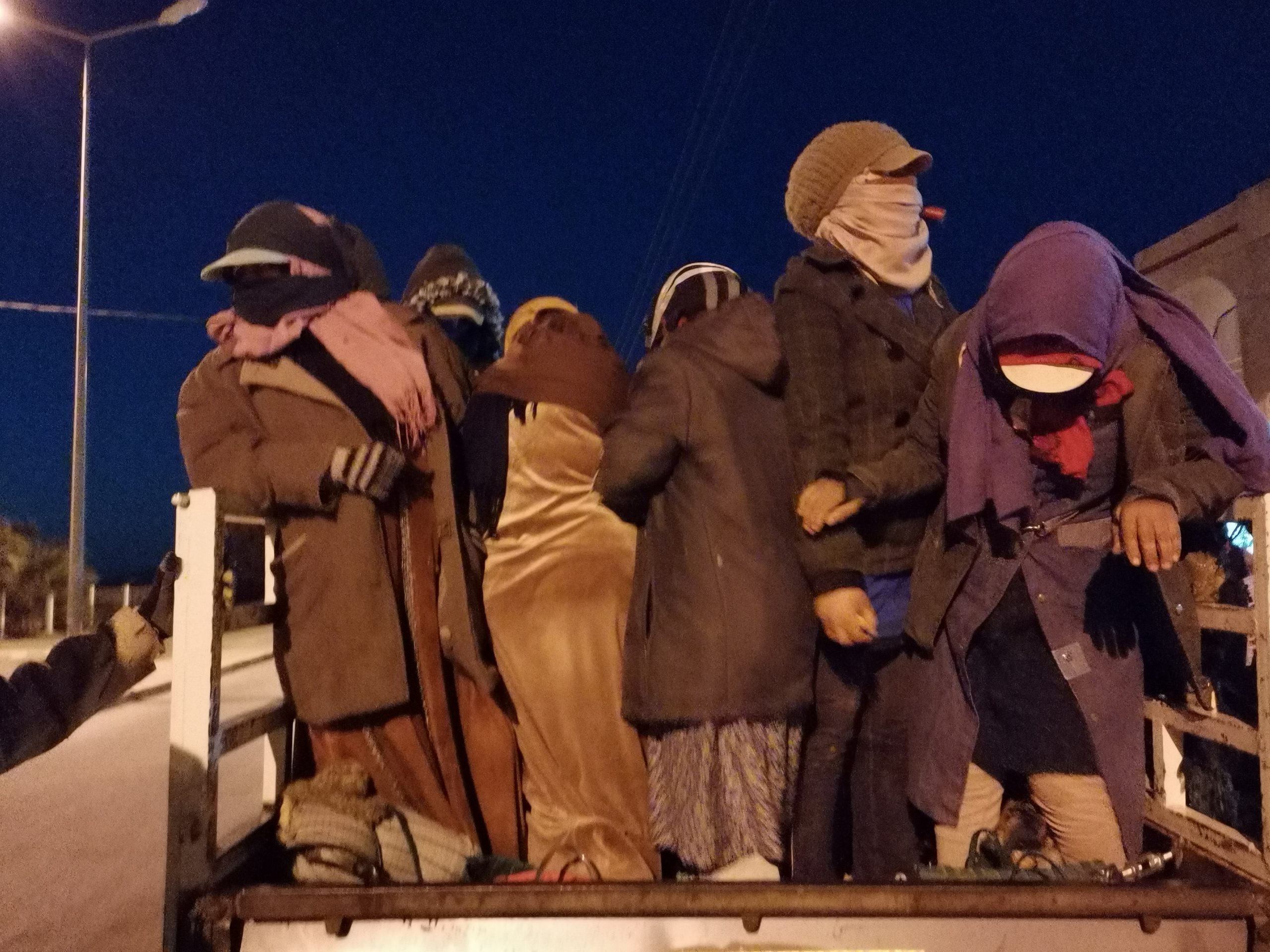
We continue this journey in Tunisia with Olfa Belhassine who takes the road to meet female agricultural workers in the Regueb region. The courage of these women is breathtaking. They wake up every day at dawn to go to work at the risk of their lives. The “death trucks” that drive them to the olive groves are very dangerous. While men are deserting agriculture, paid half of what they earn, these women are the ones who guarantee, despite appalling working conditions, the food security of their families and the entire country.
In the tobacco plantations of southern Lebanon, the situation is hardly more gratifying since the fundamental rights of seasonal workers are undermined in three ways: overexploitation of the female workforce (including those of Syrian refugees), minors forced to work at will, sexual violence seals the combination of all the abuses orchestrated by a patriarchal system, and the collusion between politics and tobacco monopoly. “Speaking out would cost her her life”, says Rana Khoury in her article about “Layla”, a young woman doubly abused, by her rapists, and by paternal condemnation.


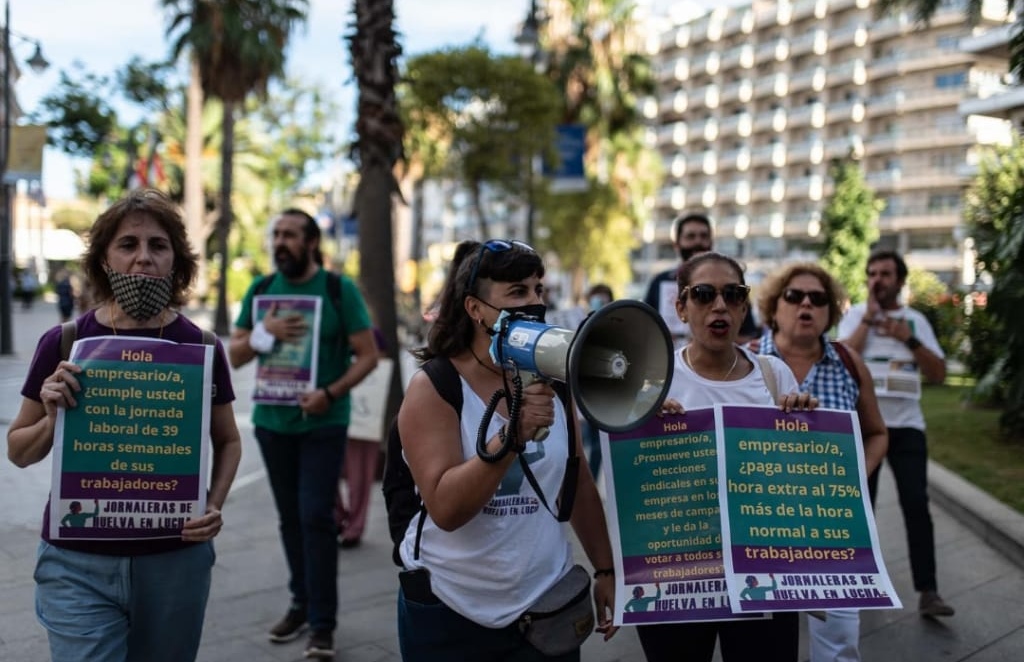
In rural areas, migrant women are particularly faced with oppression and abuse. Far from being only present in the southern shore of the Mediterranean, as Fabiola Barranco tells us, this phenomenon is also true in Spain. Thus, to punish her for having denounced the non-regulatory conditions of agricultural workers in Huelva in Andalusia, Ana was automatically integrated into the group of Moroccan workers. Instead of destroying her, this sanction turned into a significant friendship and a feminist and anti-racist struggle to defend the rights of day laborers of all origins.


The bonds of these women for whom rurality is both the “place of their alienation and their emancipation” are strengthened with solidarity, sisterhood, mutual aid, stories, laughter and humor. Far from tearful scenarios, these feminine forces share a close relationship with the earth. This is the case of the many women who have invested in the rural world: “Breeding, beekeeping, craft micro-enterprises and projects developed by women are no longer rare”, explains Ghania Khelifi in the portrait she devotes to Atika, an outstanding Algerian farmer.

Love of nature, thirst for independence and freedom have shaped the journey of the Italian shepherdesses about which Federica Araco writes in her article. From the Alps to the Aspromonte, passing through Sardinia and Sicily, we travel across the pastures where these women have decided to live sometimes against all odds. Like Rossella who lives on a rocky outcrop in Grecian Calabria, they all share the same desire for a more respectful relationship with animals and the environment as well as a simple way of life based on the essentials, such as the embodiment of a true ecofeminism.
Tags: Women in rural areas
Nathalie Galesne

Nathalie Galesne

Nathalie Galesne is the founder of the online magazines babelmed.net and artsresistances.net. She has collaborated with several media outlets, including "Rai", the feminist magazine "Noi Donne" and "Le Courrier de l'Atlas". In October 2014, Nathalie received the Mediterranean Journalist Award for her reporting on Lampedusa, particularly her "Lampedusa, the tragedy of an island" article. She is the author of several publications including "Syrie, éclats d’un mythe"(Actes Sud, 2002). Aside from being a journalist, Nathalie teaches the French language at an Italian university.

Leave a Reply Cancel reply

Your email address will not be published. Required fields are marked *

J'accepte les termes et conditions et la Politique de confidentialité .

Related articles

Related posts

In-depth

World Press Freedom Index 2026: A worrying situation in the Mediterranean

by Olfa Belhassine
2 May 2026

Related posts

“They didn’t even look at my CV”—Syrian women journalists face exclusion
In-depth

“They didn’t even look at my CV”—Syrian women journalists face exclusion

by Angela Alsahwi
2 May 2026

JOIN OUR NEWSLETTER

Original content. Feminist journalism. Straight to your inbox.

    Related posts

    Croatia: Men Kneeling in Main Squares for Women’s Chastity
    In-depth

    Croatia: Men Kneeling in Main Squares for Women’s Chastity

    by Snježana Pavić
    25 September 2023

    Related posts

    Giving birth with an open womb or when Caesarean section becomes the norm in Egypt
    Abortion and SRHR

    Giving birth with an open womb or when Caesarean section becomes the norm in Egypt

    by Contributor with Medfeminiswiya
    27 September 2021

    Popular articles

    Thirty and single… so what?
    On the move

    Thirty and single… so what?

    by Pascale Sawma
    1 March 2022
    Israel to Palestinian journalists: Be silent… or else!
    In-depth

    Israel to Palestinian journalists: Be silent… or else!

    by Alaa Murrar
    29 November 2023
    Giving birth with an open womb or when Caesarean section becomes the norm in Egypt
    Abortion and SRHR

    Giving birth with an open womb or when Caesarean section becomes the norm in Egypt

    by Contributor with Medfeminiswiya
    27 September 2021
    On the move
    In-depth
    Files
    Artistic Creations
    Interviews
    Opinions
    World
    On the move
    In-depth
    Files
    Artistic Creations
    Interviews
    Opinions
    World

    Medfeminiswiya is a feminist network that brings together women journalists working in the fields of media and content production in the Mediterranean region.

    • About us
    • Country Context
    • Our community
    • Become a member
    • Our partners
    • Editorial charter
    • Disclaimer

    Follow us :

    JOIN OUR NEWSLETTER

    Original content. Feminist journalism. Straight to your inbox.

      © 2026 Medfeminiswiya – Mediterranean Network for Feminist Information

      Back to top

      Welcome Back!

      Login to your account below

      Forgotten Password?

      Retrieve your password

      Please enter your username or email address to reset your password.

      Log In

      Add New Playlist

      No Result
      View All Result
      • On the move
      • In-depth
      • Files
      • Artistic Creations
      • Interviews
      • Opinions
      • World
      • it VO
      • fr Français
      • en English
      • ar العربية

      © 2026 Medfeminiswiya - Mediterranean Network for Feminist Information

      Ce site n'utilise pas de cookies. This website does not use cookies. هذا الموقع لا يستخدم ملفات تعريف الارتباط.