Eylül Ali
Raids across 15 provinces
On 12 September, Turkish authorities blocked access to websites and social media accounts belonging to LGBTI+ organizations, publications, and community groups. Police raids followed overnight into 13 September. Justice Minister Akın Gürlek said the operations were coordinated from five provinces and extended across 15, with judicial proceedings initiated against 162 people, nine associations, and 13 businesses. Authorities alleged the operations primarily aimed to protect children, preserve the family, and uphold society’s shared moral values.
Among those targeted were Kaos GL, SPoD, Lambdaistanbul, and Pozitif-iz, organizations working on LGBTI+ rights or supporting people living with HIV. These associations offer support to people facing discrimination and violence, including legal and psychosocial counseling, reliable health information, and peer solidarity. The detention of human rights defenders and the blocking of communication channels disrupt access to these services.
According to information confirmed by the Solidarity Groups of the Human Rights Foundation of Turkey, at least 117 people had been taken into police custody and at least 83 arrested by 21 September. Those detained included at least 25 LGBTI+ activists and people affiliated with LGBTI+ organizations, including founders and members of governing boards.
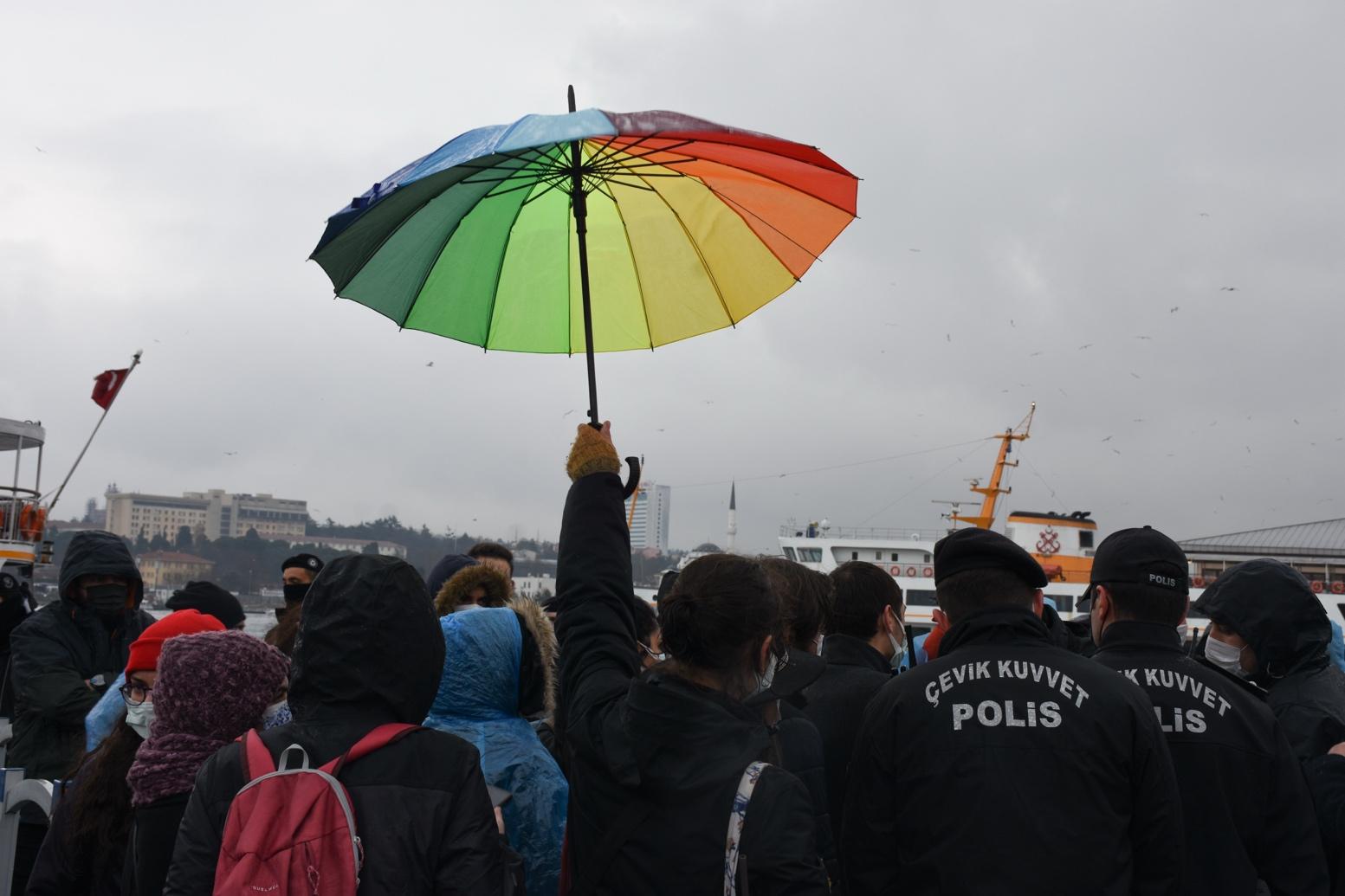
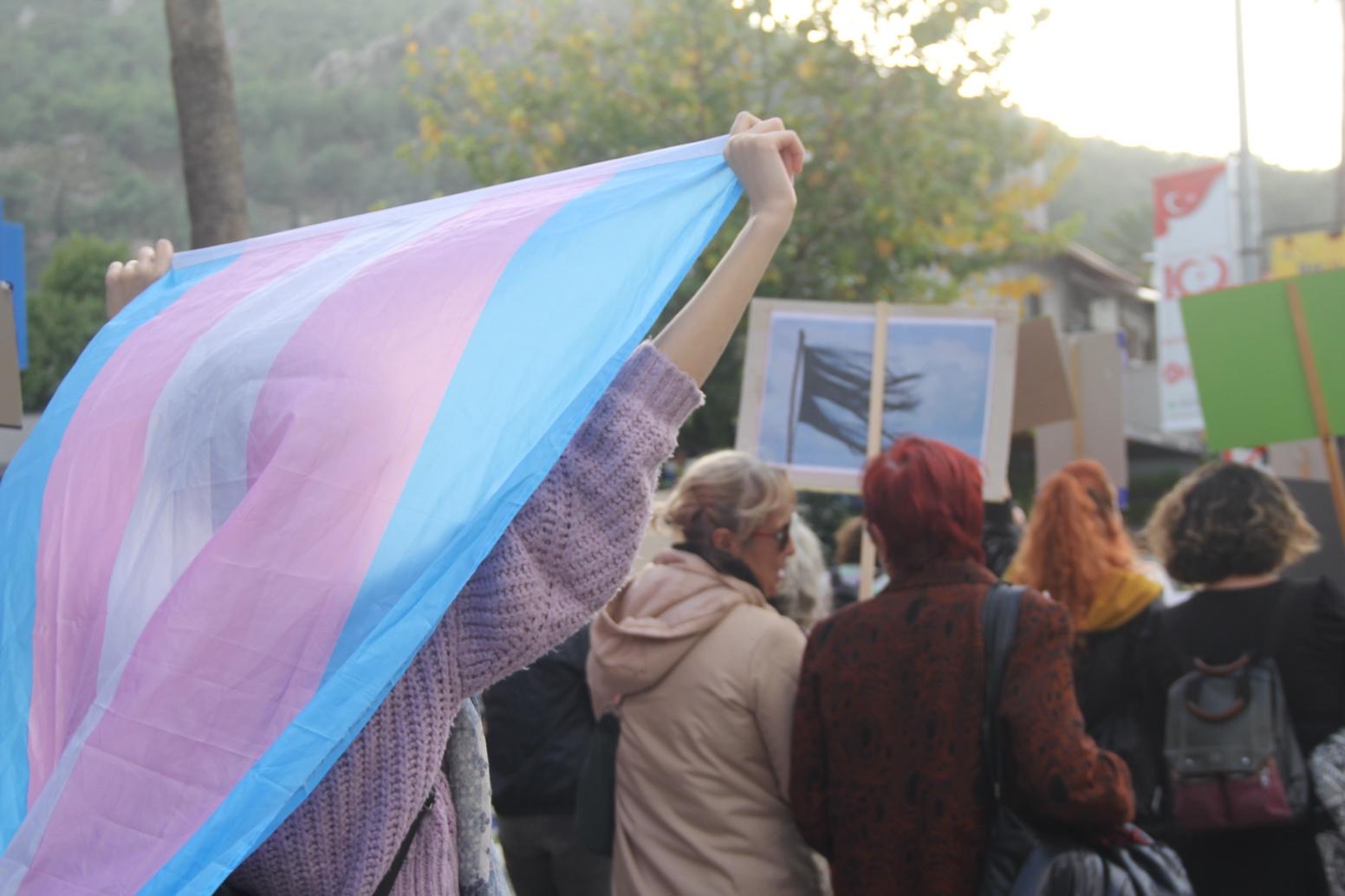
The raids prompted solidarity statements and protests in Ankara, Kocaeli, Çanakkale, and other cities, as well as demonstrations outside Turkish embassies in Europe and in several cities in the Americas. At least 125 protesters across Ankara, Istanbul, and Izmir were detained and subsequently released.
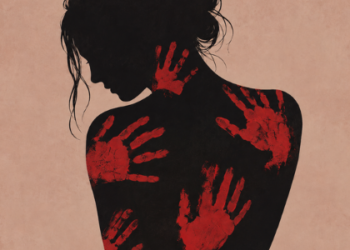
On 14 September, women’s organizations in Türkiye , including Women for Women’s Rights and Purple Roof Women’s Shelter Foundation, expressed solidarity, saying, “The repression of our bodies, our lives, our identities, and our right to organize is part of the same authoritarian politics.” The groups said the operations against LGBTI+ organizations, carried out “in the name of “keeping the family safe,’” have no legal basis and reflect the same authoritarian politics that targets women’s bodies and lives.
“The repression of our bodies, our lives, our identities, and our right to organize is part of the same authoritarian politics.”
Police detained association founders and board members at their homes, and association offices were searched as police seized digital devices and portable drives. Kaos GL reports that the allegations against LGBTI+ rights defenders, including members of its executive board, include obscenity and violations of the Law on Associations. Some trans women detained in the operations also face allegations related to prostitution.
A Widening Campaign
Türkiye designated 2025 the “Year of the Family.” In an address to the nation, President Recep Tayyip Erdoğan described what he called the “LGBT issue” as one of the gravest threats to the family. Gürlek subsequently linked the September operations to Erdoğan’s “2026-2035 Family and Population Decade,” a ten-year policy program that builds directly on the 2025 agenda.
Leaked drafts of Türkiye’s 10th and 11th judicial reform packages in 2025, and again of the 12th in June 2026, proposed restrictive LGBTI+ related provisions, including up to three years in prison under Article 225 of the Penal Code for behavior “contrary to biological sex” or its public promotion, and prison terms of up to seven years for health professionals who perform gender-affirming procedures. The provisions were removed before the 11th and 12th packages reached Parliament, but authorities continue to target LGBTI+ people and organizations under existing legislation.
Consensual same-sex relations are not criminalized in Türkiye. A legal route for trans people to obtain gender recognition after gender affirmation surgery has existed since 1988, though it is subject to restrictive conditions. Authorities nevertheless make use of existing laws to restrict LGBTI+ expression and advocacy.
Letters from prison and detention conditions
In a letter from prison, trans activist and Kaos GL executive board member Janset Kalan writes, “Neither my body nor the bodies of other women are obscene or immoral.”
“Neither my body nor the bodies of other women are obscene or immoral.”
Another detained Kaos GL board member, Umut Derin, writes to the community, “If we did not disappear after what lubunyas* went through in the 1980s, we will not disappear now either.” This references the raids beginning on the anniversary of Türkiye’s military coup of 12 September 1980, a coup after which trans and queer people’s presence was restricted in the public sphere: a 1981 ban on hiring performers deemed to look or act like the opposite gender, aimed at the singer Bülent Ersoy, remained in force for seven years, while trans sex workers faced routine violence from security forces. Today, authorities again rely on indirect legal tools, since being LGBTI+ is not a crime in Türkiye – those arrested face charges of obscenity under Article 226 of the Penal Code and violations of the Law on Associations.
Meanwhile, reports of detention conditions raise further concerns. In “My Family is Safe” Operations: Monitoring and Evaluation Report of in Light of Human Rights Standards, Human Rights Foundation of Turkey states that there are specific allegations that LGBTI+ and transgender detainees have been placed in male wards, subjected to verbal harassment, held in isolation, and subjected to strip searches. HRFT also records further testaments of forced drug testing, physical ill-treatment, forced haircuts, strip searches, isolation, and restricted access to medication, clean clothes, and drinking water.
“Everywhere is a prison cell, we want freedom.”
More than 450 organizations worldwide signed a joint statement calling for an end to the criminalization of LGBTI+ advocacy and for the protection of freedom of expression and association. More than 1,250 academics, including Judith Butler and Noura Erakat, signed a letter condemning the raids as an attack on the rights to organize, speak freely, and exercise academic freedom, which Türkiye is bound to protect under its constitution and international commitments.
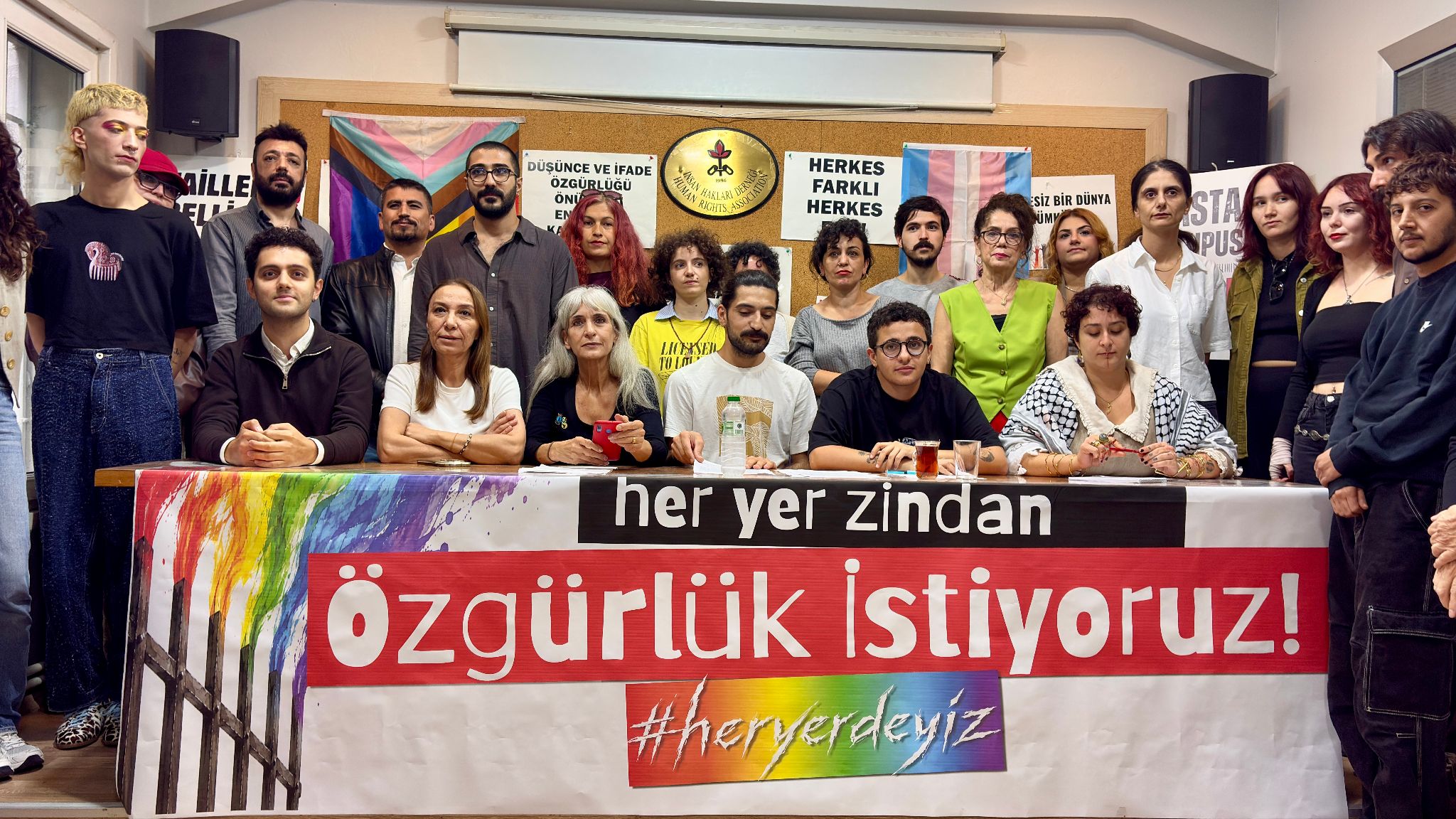
On October 8, the campaign group and allies of the LGBTI+ community issued press releases in six cities across the country, calling for the release of LGBTI+ detainees and an end to restrictions on digital access and rights violations. They closed with a pledge: “Until the day comes when we can all live freely, side by side, in every aspect of life, under the rainbow, we will never give up on our lives or our rights.”