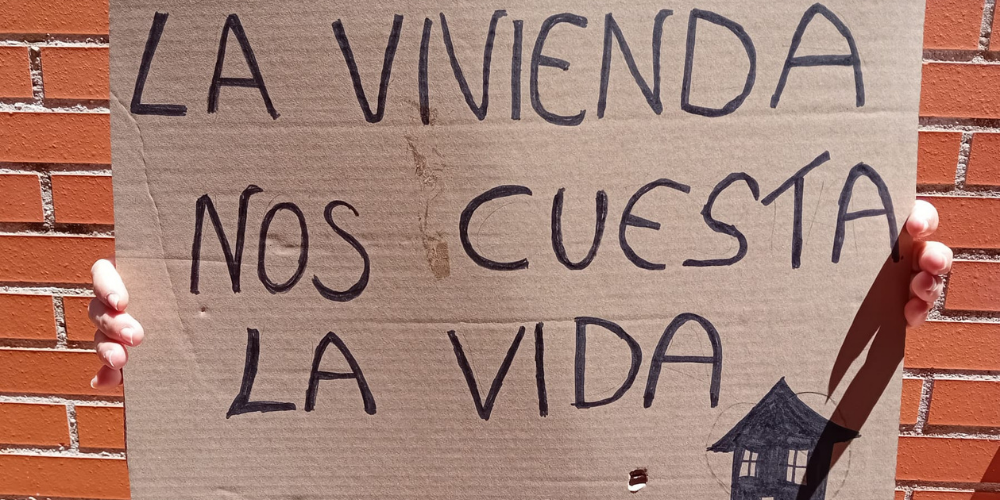
Spain’s housing crisis has become one of the defining social issues of the past decade.
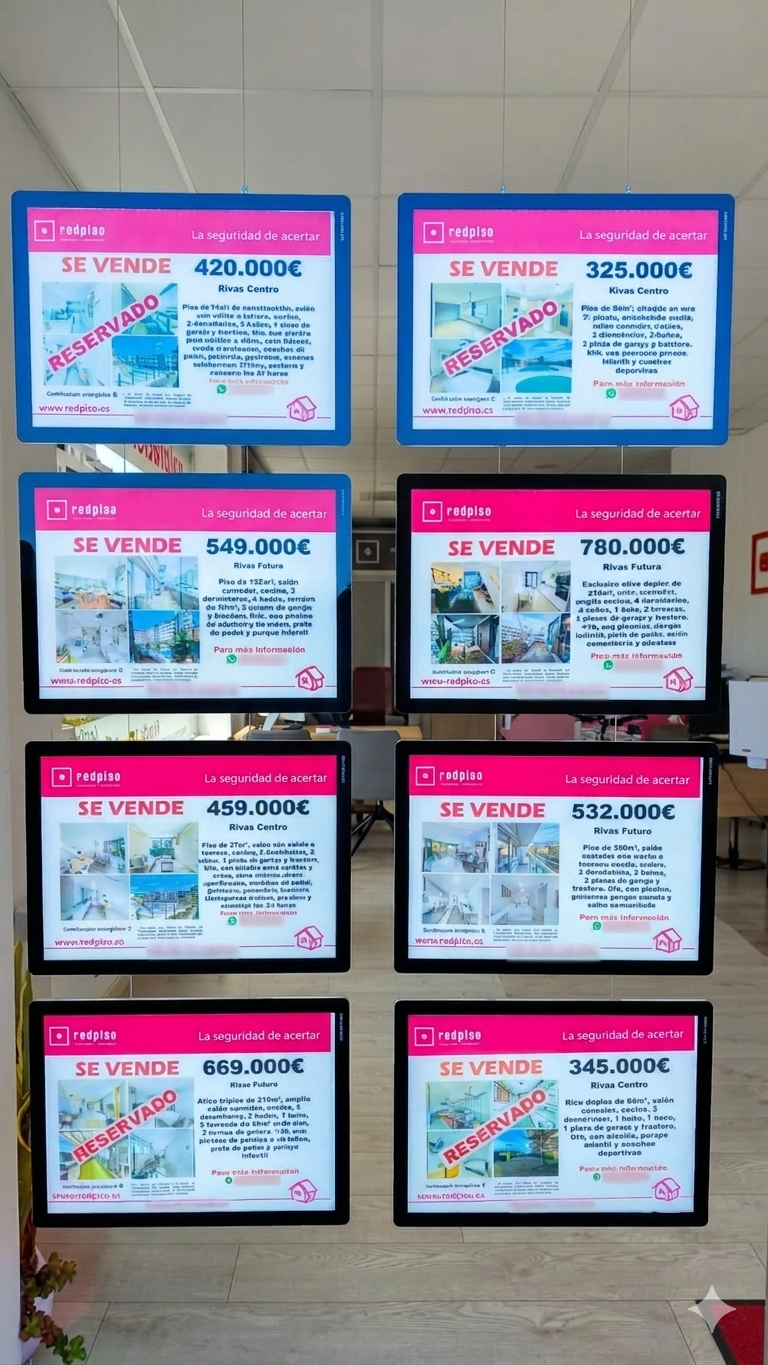
According to several housing observatories, the cost of buying a home in Spain rose by around 11% in 2024 and a further 13% in 2025, while rents have increased by almost 94% over the last decade. For many young adults, leaving the family home has become increasingly unattainable, and flat-sharing is now common even among full-time workers.
But while the crisis affects broad sections of society, it does not affect everyone equally. Women — particularly single mothers and those in precarious economic situations — often experience housing insecurity in especially severe yet less visible ways.
“Housing insecurity is not only about sleeping on the street,” says Laura Barrio Recio, a Madrid-based housing activist, sociologist, and co-author of Housing Is Not a Crime: Who Squats in Madrid and Why, who has spent more than a decade working with families facing eviction and homelessness.
From the 15M Movement to housing activism
Barrio became involved in housing activism in the aftermath of the 2008 financial crisis through the Usera Housing Assembly and the Platform for People Affected by Mortgages (PAH), movements closely linked to Spain’s 15M protests. Also known as the Indignados Movement, the 15M protests began on May 15, 2011, when thousands of people took to the streets across Spain to denounce austerity measures, political corruption, unemployment, and growing social inequality.
Since then, Barrio has specialized in studying housing rights through a feminist perspective. Over the years, she has participated in the PAH, the Madrid Housing Coordination, the DESC Monitoring Group, the Madrid Tenants’ Union, and the think tank Ideas en Guerra.
She argues that gender inequality plays a decisive role in access to housing. Women are more likely to work part-time, earn lower wages, or hold temporary contracts, making them appear “riskier” to landlords and banks. Female-headed households therefore face higher rates of poverty and housing precarity.
Traditional gender expectations also play a part. “Complying with traditional gender roles tends to push women out of housing, while helping men succeed in the housing market,” Barrio explains. “Caregiving responsibilities and motherhood frequently reduce women’s economic independence, while men are more often judged according to their ability to fulfil the breadwinner role.”
The result, she says, is that many women can only afford to leave home or live independently within a couple. “Their life projects become dependent on relationships,” she says. “That creates pressure to form a traditional household simply to access housing.”
Gender inequality plays a decisive role in access to housing. Female-headed households therefore face higher rates of poverty and housing precarity.
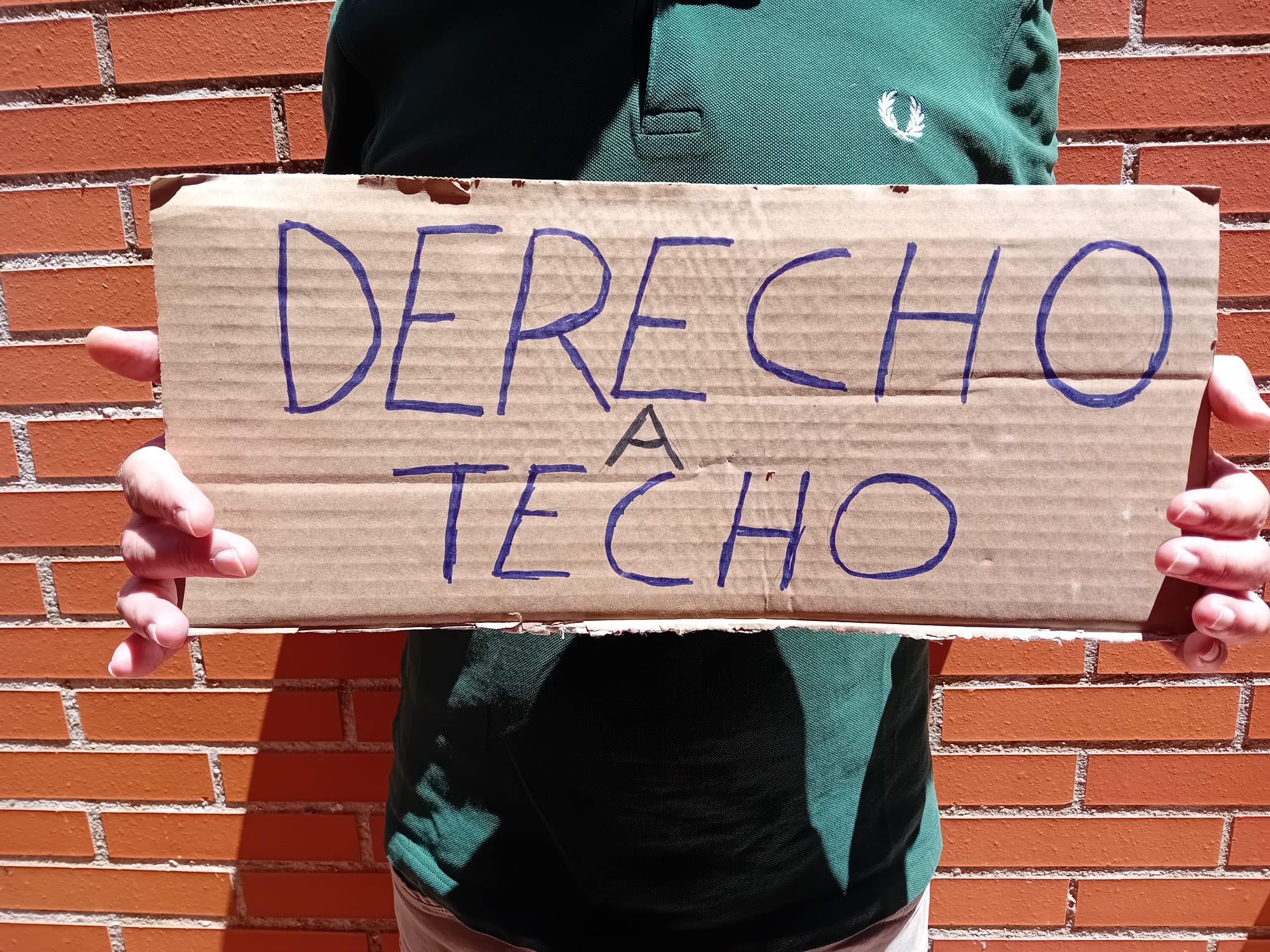
The hidden face of housing insecurity
Barrio also points to how official data often fails to capture how housing insecurity affects women. She mentions the ETHOS typology developed by the European Federation of National Organisations Working with the Homeless (FEANTSA), which defines homelessness far beyond rough sleeping. It includes overcrowded flats, temporary stays with friends or relatives, room rentals by the day, and informal arrangements such as “hot-bedding,” where people share beds in shifts.
These situations, increasingly common in Spain’s cities, often remain statistically invisible.
“Unlike many men, women experiencing exclusion often avoid rough sleeping because they rely on informal support networks,” Barrio says. “A mother moving between relatives’ homes with children may not appear homeless in official statistics, but she is still living in extreme insecurity.”
From her experience in neighborhood housing assemblies, Barrio says women disproportionately carry the burden of keeping families afloat during housing crises. Many sacrifice food, medicine, or other essentials to continue paying rent or utility bills.
The psychological and social costs
The consequences extend beyond economics. Barrio describes widespread anxiety, insomnia, depression, and emotional exhaustion among women living in unstable housing conditions. Fear becomes constant, especially for those without formal rental contracts or living in squatted accommodation.
“Any noise in the stairwell or a police siren can trigger panic,” she says. “Children absorb that fear too.”
According to Barrio, housing precarity is also reshaping childhood itself. Frequent moves disrupt friendships, schooling, and social ties, while overcrowding isolates families from community life. Children living in a single rented room often avoid inviting classmates home out of shame or stigma.
“We still do not fully understand the long-term consequences of an entire generation growing up under these conditions,” she warns. “Eventually, we will have to pay the social cost.”
Policy failures and structural barriers
Despite the scale of the crisis, Barrio argues that public policy responses remain insufficient: “Since the mass evictions that followed the 2008 financial crash, our governments have relied mostly on temporary emergency measures rather than structural reforms. Public debate still focuses on the formal housing market, while a growing number of people survive in an informal system of illegal sublets, verbal agreements, or borrowed couches where they can be evicted at any time.”
The most recent attempt to regulate rents and strengthen tenant protections — including automatically extending rental contracts and capping annual rent increases at 2% — was rejected in Congress in late April. This lack of action leaves housing assistance systems as one of the only resources available, despite Barrio’s argument that they are poorly adapted to women’s realities.
“Shelters often separate families, prohibit pets, and provide only short-term accommodation under stressful conditions. Some women avoid seeking help altogether because they fear social services could question their ability to care for their children. As a result, many women become invisible,” Barrio says. “They survive through informal arrangements that the system barely recognizes.”
“Many women become invisible, [surviving] through informal arrangements that the system barely recognizes.”
Housing as a human right
For housing activists, the solution requires more than emergency aid. Barrio advocates recognizing housing as an enforceable fundamental right and complying with international agreements such as the International Covenant on Economic, Social, and Cultural Rights (ICESCR), which prohibits forced evictions without adequate rehousing.
Together with the collectives she collaborates with, she also supports measures aimed at reducing speculation in the housing market: linking rents to average incomes, restoring long-term rental stability, and massively expanding public housing through both construction and public acquisition.
“This is not just about technical measures, but about changing the rules of the game through deep structural changes. The goal is to make housing less profitable for investment funds and speculators and redirect capital toward other productive sectors.”