• it VO
  • fr Français
  • en English
  • ar العربية
About us
  • In-depth
    • All
    • Features
    • Files
    • World
    Morocco: 600 abortions a day—Alarming figures and tragic stories

    Morocco: 600 abortions a day—Alarming figures and tragic stories

    In Spain, the right to abortion is not guaranteed for all

    In Spain, the right to abortion is not guaranteed for all

    Invisible and vulnerable: Migrant women at the frontlines of Spain’s prostitution debate

    Invisible and vulnerable: Migrant women at the frontlines of Spain’s prostitution debate

    Serbia: Is contraception a luxury or a basic human right?

    Serbia: Is contraception a luxury or a basic human right?

    Rebels, witnesses, victims: Women against the mafia (3/3)

    Rebels, witnesses, victims: Women against the mafia (3/3)

    Trending Tags

    • Women artists
    • Ecofeminism
    • Women living from and on the streets
    • Women and bodies
    • Women and sports
    • Women and cinema
    • Ramadan series
    • Women and war
    • Women Living at the Margins
    • Press Freedom from the Perspective of Women Journalists
    • Period poverty
    • Gynecological violence
    • Women and prison
    • Safe spaces
    • Abortion and SRHR
    • Transgenderism
    • Women in rural areas
  • On the move
    Spain: CEAR and the fight against human trafficking

    Spain: CEAR and the fight against human trafficking

    Gaza: How many journalists must be killed for the world to react?

    Gaza: How many journalists must be killed for the world to react?

    Moroccan activist Ibtissam Lachgar held in solitary confinement, health in crisis

    Moroccan activist Ibtissam Lachgar held in solitary confinement, health in crisis

    Three women for one man’s pay: The plight of female agricultural workers in Egypt

    Three women for one man’s pay: The plight of female agricultural workers in Egypt

  • Portraits
    Sophie Bessis: “The battle for the intimate will be long, especially in the Global South!”

    Sophie Bessis: “The battle for the intimate will be long, especially in the Global South!”

    “Mom, Dad, Can We Talk About Privacy?”—A Tunisian children’s book on protecting kids from sexual violence

    “Mom, Dad, Can We Talk About Privacy?”—A Tunisian children’s book on protecting kids from sexual violence

    Kurdish journalist killed in Turkish drone strike in northeastern Syria

    Kurdish journalist killed in Turkish drone strike in northeastern Syria

    A Filmmaker’s Journey: Inside the Creative World of Margarita Bareikyte

    A Filmmaker’s Journey: Inside the Creative World of Margarita Bareikyte

  • Creations
    • All
    • Reviews
    • Visual Arts
    “La Malédiction (1)”, a theatrical adaptation of King Kong Theory bursting with Tunisian rage

    “La Malédiction (1)”, a theatrical adaptation of King Kong Theory bursting with Tunisian rage

    “Mom, Dad, Can We Talk About Privacy?”—A Tunisian children’s book on protecting kids from sexual violence

    “Mom, Dad, Can We Talk About Privacy?”—A Tunisian children’s book on protecting kids from sexual violence

    The El’Sardines series, a delicate feminist manifesto centered around an ecological mystery

    The El’Sardines series, a delicate feminist manifesto centered around an ecological mystery

    Atlantics, a film by Mati Diop: Filming the embodied resistance of spirits

    Atlantics, a film by Mati Diop: Filming the embodied resistance of spirits

  • Opinion
    Women in Gaza are living their worst nightmares - “ I want to go back to my life before the war, to my privacy, my home ”

    Women in Gaza are living their worst nightmares - “ I want to go back to my life before the war, to my privacy, my home ”

    Messages from life under bombardment—Can a mother cope with losing her six children at once? (10)

    Messages from life under bombardment—Can a mother cope with losing her six children at once? (10)

    Messages from life under bombardment—No cake for my children on their birthdays (9)

    Messages from life under bombardment—No cake for my children on their birthdays (9)

    Messages from life under bombardment – No food or water in Gaza (8)

    Messages from life under bombardment – No food or water in Gaza (8)

  • Multimedia
    "I hope it doesn’t go viral: Journalism and sexist attacks in digital age". A video investigation by Çiçek Tahaoğlu

    "I hope it doesn’t go viral: Journalism and sexist attacks in digital age". A video investigation by Çiçek Tahaoğlu

    Period poverty in Montenegro

    Period poverty in Montenegro

    Period poverty in France (1)

    Period poverty in France (1)

    Period Poverty in Italy

    Period Poverty in Italy

  • Country context
No Result
View All Result
BLOGS
Medfeminiswiya
  • In-depth
    • All
    • Features
    • Files
    • World
    Morocco: 600 abortions a day—Alarming figures and tragic stories

    Morocco: 600 abortions a day—Alarming figures and tragic stories

    In Spain, the right to abortion is not guaranteed for all

    In Spain, the right to abortion is not guaranteed for all

    Invisible and vulnerable: Migrant women at the frontlines of Spain’s prostitution debate

    Invisible and vulnerable: Migrant women at the frontlines of Spain’s prostitution debate

    Serbia: Is contraception a luxury or a basic human right?

    Serbia: Is contraception a luxury or a basic human right?

    Rebels, witnesses, victims: Women against the mafia (3/3)

    Rebels, witnesses, victims: Women against the mafia (3/3)

    Trending Tags

    • Women artists
    • Ecofeminism
    • Women living from and on the streets
    • Women and bodies
    • Women and sports
    • Women and cinema
    • Ramadan series
    • Women and war
    • Women Living at the Margins
    • Press Freedom from the Perspective of Women Journalists
    • Period poverty
    • Gynecological violence
    • Women and prison
    • Safe spaces
    • Abortion and SRHR
    • Transgenderism
    • Women in rural areas
  • On the move
    Spain: CEAR and the fight against human trafficking

    Spain: CEAR and the fight against human trafficking

    Gaza: How many journalists must be killed for the world to react?

    Gaza: How many journalists must be killed for the world to react?

    Moroccan activist Ibtissam Lachgar held in solitary confinement, health in crisis

    Moroccan activist Ibtissam Lachgar held in solitary confinement, health in crisis

    Three women for one man’s pay: The plight of female agricultural workers in Egypt

    Three women for one man’s pay: The plight of female agricultural workers in Egypt

  • Portraits
    Sophie Bessis: “The battle for the intimate will be long, especially in the Global South!”

    Sophie Bessis: “The battle for the intimate will be long, especially in the Global South!”

    “Mom, Dad, Can We Talk About Privacy?”—A Tunisian children’s book on protecting kids from sexual violence

    “Mom, Dad, Can We Talk About Privacy?”—A Tunisian children’s book on protecting kids from sexual violence

    Kurdish journalist killed in Turkish drone strike in northeastern Syria

    Kurdish journalist killed in Turkish drone strike in northeastern Syria

    A Filmmaker’s Journey: Inside the Creative World of Margarita Bareikyte

    A Filmmaker’s Journey: Inside the Creative World of Margarita Bareikyte

  • Creations
    • All
    • Reviews
    • Visual Arts
    “La Malédiction (1)”, a theatrical adaptation of King Kong Theory bursting with Tunisian rage

    “La Malédiction (1)”, a theatrical adaptation of King Kong Theory bursting with Tunisian rage

    “Mom, Dad, Can We Talk About Privacy?”—A Tunisian children’s book on protecting kids from sexual violence

    “Mom, Dad, Can We Talk About Privacy?”—A Tunisian children’s book on protecting kids from sexual violence

    The El’Sardines series, a delicate feminist manifesto centered around an ecological mystery

    The El’Sardines series, a delicate feminist manifesto centered around an ecological mystery

    Atlantics, a film by Mati Diop: Filming the embodied resistance of spirits

    Atlantics, a film by Mati Diop: Filming the embodied resistance of spirits

  • Opinion
    Women in Gaza are living their worst nightmares - “ I want to go back to my life before the war, to my privacy, my home ”

    Women in Gaza are living their worst nightmares - “ I want to go back to my life before the war, to my privacy, my home ”

    Messages from life under bombardment—Can a mother cope with losing her six children at once? (10)

    Messages from life under bombardment—Can a mother cope with losing her six children at once? (10)

    Messages from life under bombardment—No cake for my children on their birthdays (9)

    Messages from life under bombardment—No cake for my children on their birthdays (9)

    Messages from life under bombardment – No food or water in Gaza (8)

    Messages from life under bombardment – No food or water in Gaza (8)

  • Multimedia
    "I hope it doesn’t go viral: Journalism and sexist attacks in digital age". A video investigation by Çiçek Tahaoğlu

    "I hope it doesn’t go viral: Journalism and sexist attacks in digital age". A video investigation by Çiçek Tahaoğlu

    Period poverty in Montenegro

    Period poverty in Montenegro

    Period poverty in France (1)

    Period poverty in France (1)

    Period Poverty in Italy

    Period Poverty in Italy

  • Country context
About us
Medfeminiswiya
About us

Infertility: Taboo and the expansion of medically assisted reproduction in Tunisia

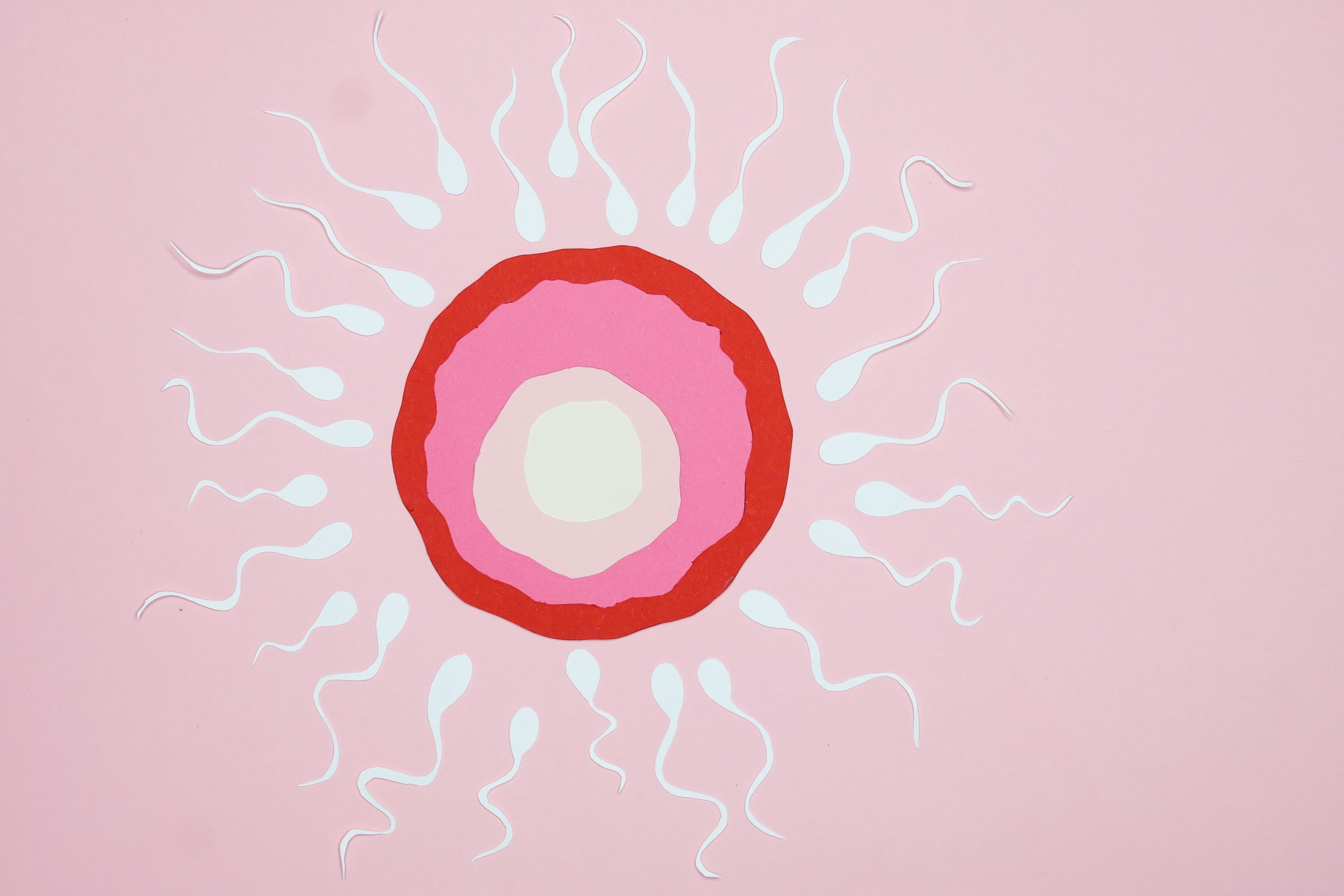
In North Africa and beyond, Tunisia has in just a few years become a recognized destination for couples seeking medically assisted reproduction. Patients’ experiences highlight gender norms and the burden of infertility, which is not without economic and social consequences, especially for women.

Louise Aurat by Louise Aurat
14 November 2025
in Files
31 1
0
Share on FacebookShare on Twitter

This post is also available in: Français (French) العربية (Arabic)

When Alia* got married in 2002, she and her husband were in no rush to have children. She was 30 years old and had never been to a gynecologist. Two years later, she had her first consultation, with a doctor recommended by a relative. The doctor happened to be one of Tunisia’s leading specialists in medically assisted procreation (MAP or ART). Tests revealed polycystic ovaries, a common hormonal condition that can cause complications during pregnancy. The doctor later discovered that Alia also had endometriosis, a chronic disease affecting nearly 10% of women of reproductive age, according to the World Health Organization (WHO). It can be very painful and is still poorly understood by both the general public and healthcare professionals in many countries.

After undergoing surgery and experiencing the spontaneous termination of her first pregnancy, Alia and her husband decided to turn to MAP. The process lasted about ten years, ending without a child but yielding, as Alia reflects at age 53, “a lot of serenity and wisdom” and “a heightened sensitivity to social injustice.”

Tunisia, a well-known destination 

Since the 2000s, with the significant development of infrastructure supporting MAP in Tunisia, the country has become a regional destination recognized for the expertise of its medical personnel serving infertile couples from across the Maghreb, especially Algeria and Libya, as well as sub-Saharan Africa. About a dozen private fertility centers and three public facilities operate nationwide, mainly in the capital and coastal cities such as Sousse, Sfax, and Nabeul, creating geographic inequalities in access.

Practice predated the legal framework. The technologies and know-how were first introduced in the private sector in the 1980s by professionals trained in Europe. In 1989, the first “test-tube baby” was born, and a decade later, in 2001, Tunisia passed a landmark law governing reproductive medicine—one of the first of its kind in Africa and the Arab world, developed in consultation with religious authorities.

The law authorizes the use of MAP procedures, such as artificial insemination with the husband’s sperm and in vitro fertilization (IVF) for married heterosexual couples, while banning gamete donation due to Islamic principles of lineage and filiation. Egg freezing, which allows women to delay motherhood, is permitted for single women only for medical reasons affecting fertility.

Infertility is not considered a public health issue by political authorities in Tunisia, even though it can cause deep suffering and social stigma.

A rise in infertility

Globally, infertility rates are rising—that is, the inability to achieve pregnancy after at least 12 months of attempts. Causes include increasing environmental pollution, reproductive system disorders in both men and women, and increasingly delayed childbearing.

In Tunisia, the average age at marriage is rising: in 2024, it was 35 for men and 29 for women. MAP provides a solution to ensure access to reproductive rights, though not with guaranteed success. Success rates vary considerably depending on the technique and a multitude of factors (age, method, and number of attempts). While there are no national statistics, some clinics make their results public.

Infertility is not considered a public health issue by political authorities in Tunisia, even though it can cause deep suffering and social stigma. In the absence of statistics, it is difficult to estimate the number of couples seeking MAP, but the growth of available services and cross-border mobility signals high demand.

A persistent taboo

In 2018, a transdisciplinary research team explored the issue in a project titled “Cross-border reproductive health care in the Maghreb: A reproductive landscape in the making,” thus filling an academic gap. A collective work containing several scientific articles was subsequently published: Voyager pour procréer au Maghreb. Expériences au sein d’une nouvelle industrie médicale (Traveling to Procreate in the Maghreb: Experiences in a New Medical Industry) (Editions IRMC and Karthala, 2024).

The study identified several reasons couples travel to Tunisia for MAP: lack of equipment in their home countries, excessively long waiting times, geographical proximity, visa exemptions, cost-quality ratio, shared languages (Arabic and French), cultural and religious affinities, and the desire for anonymity and discretion. Many patients choose to keep their experience secret, partly wishing to protect their privacy from intrusive questions and pressure from those around them.

Several fertility specialists interviewed noted that about half of the cases with difficulties in conceiving are related to sexual causes. “In September, just after the wedding season, I receive many patients who come to see me because they are unable to have sexual intercourse. Vaginismus [editor’s note: involuntary contraction of the vaginal opening] is common,” explains gynecologist-obstetrician Olfa Naghmouchi. Early concerns about the inability to get pregnant reflect an urgency to conceive that arises from “both personal desire and social pressure.” She frequently refers her patients to sexologists before discussing MAP.

When infertility is confirmed, the process takes time. “Most couples turn to MAP only as a last resort. It’s a long and costly process. Many husbands refuse. They fear religious or technical issues—some even worry that sperm samples might get mixed up,” she adds.

The question of time 

Marwa*, 42, from Tunis, is currently seeing a gynecologist as part of an MAP procedure. She is being treated by a team at a public hospital, where she says the staff is “very kind.” She and her husband have not told their families for the time being. “During my first pregnancy, I shared the news right away. When it ended, people didn’t know how to support me, which made it harder for me,” she shares. She recalls confiding in a stranger who comforted her. “She told me, ‘May their soul rest in peace.’ Being allowed to speak of the love I felt for this little being helped me heal.”

Pregnancy loss is often downplayed, especially in the context of MAP, where several attempts may be needed. These experiences are silenced and invisibilized. Recently, Marwa made the decision to pause ovarian stimulation to take her time, even though it’s limited. “Nature doesn’t follow our rhythm,” she notes, “but it’s a joyful project we’re carrying forward!”

Public and private treatment alike are only partly covered by Tunisia’s National Health Insurance Fund (CNAM): women over 40 are excluded. For the latter, only lab tests and medications, not medical procedures like IVF, are reimbursed.

The study identified several reasons couples travel to Tunisia for MAP: lack of equipment in their home countries, excessively long waiting times, geographical proximity, visa exemptions, cost-quality ratio, shared languages (Arabic and French), cultural and religious affinities, and the desire for anonymity and discretion.

Women bearing the “weight” of infertility

A director of a leading Tunis clinic notes that patients come from varied socioeconomic backgrounds; poorer couples often collect money from others or go into serious debt. And while MAP can strengthen some marriages, another social consequence mentioned by several interviewees is divorce. Divorce is much more frequently requested by men, sometimes under family pressure.

Gender norms and social expectations around motherhood deeply shape MAP experiences. The inability to conceive carries stigma, usually borne by women. “What clearly emerges, not only in Tunisia but across the Maghreb, is that women carry the social burden, even when infertility originates with the man. They won’t publicly say it’s their husband; it’s unthinkable,” explains Irène Maffi, professor of anthropology, the co-editor with geographer Betty Rouland of Voyager pour procréer au Maghreb.

Reproductive power is culturally tied to both masculinity and femininity, but women bear most of the blame for infertility. Tunisian and foreign women are usually the ones to initiate the process and often attend consultations alone. “Only after the woman’s tests and analyses does the man get involved. Health professionals note that when infertility stems from the man, some never return to the clinic and absolutely refuse to acknowledge it,” the researcher continues.

Women speak about their infertility on a popular Tunisian TV show. The way the program unfolds highlights gender-based stigmas. The presenter focuses heavily on the emotional dimension. In this excerpt (32'36–33'53), he asks the doctor whether men or women are more affected by infertility, convinced that the answer will be women, while the doctor replies the opposite.

Women’s engagement is also visible online: they dominate Facebook groups and other digital spaces, sharing test results, medication tips, and doctor recommendations. “Women talk to each other a lot. There are even groups named after gynecologists. They act collectively—they have a problem, they discuss it, they help each other. Always anonymously, because of taboos and stigmas, but these are spaces of solidarity,” says Rouland, a geographer specializing in healthcare mobility. Such exchanges meet the need for information that respects privacy while seeking effective, compassionate medical care.

Personal journeys

Amal*, now in her fifties, underwent MAP between 1997 and 2006 with her husband. She recalls a painful experience with her gynecologist. After a year of tests focused almost exclusively on her body, a sperm test for her husband revealed azoospermia (a complete absence of sperm). “What was shocking was the first thing the doctor said to us: ‘In this case, there aren’t many options: MAP, adoption, which I don’t think is a solution, or divorce.’ For us, this was an act of unparalleled symbolic violence,” she says.

Over time, Amal attributed these comments to ignorance and a lack of training in empathy or gender-based sensitivity. Throughout her treatment, she suffered from the absence of psychological support from the medical personnel. “I sometimes felt I wasn’t human,” she says. When her husband’s infertility was confirmed during the sperm collection for IVF, she had to deliver the news herself. “The medical secretary handed me an envelope and said, ‘Look, we can’t do IVF because your husband is sterile. Here’s the rest of your money. The doctor has already taken his fee.’ Then she left me alone. I never saw the doctor again. Having to tell my husband myself was one of the hardest moments of my life.”

Psychological support remains largely absent, the researchers observed during their 2018–2021 study. “Midwives often take on this role,” explains Maffi. We noted that only one of the leading clinics in the market includes a psychologist on staff.

Areas for improvement

Alia considers herself lucky—her doctor listened and cared. Though her MAP journey is behind her, she still consults the same gynecologist. Each couple experiences this process differently, and the women interviewed for this article offered ideas for improvement. Both Amal and Alia, who suffer from endometriosis, call for greater awareness, better treatment, and earlier diagnosis of this condition, which can lead to infertility.

Alia, a former financial analyst, also highlights economic and social inequalities. “I was very privileged—I could take time off work, and though it had a financial impact, it didn’t impoverish us. My family didn’t ask me any questions. That’s not true for everyone, as I saw in waiting rooms. […] We need confidential IVF leave. Greater capacity in public hospitals. In terms of insurance, we need to pool the risk of infertility. Limiting reimbursement to age 40 is too restrictive. And women need values that let them imagine fulfillment beyond motherhood.”

If she feels she was able to go through this ordeal calmly, it’s because she could fulfill herself “in ways other than trying to have a child. I could have kept trying with MAP, but I didn’t want to exhaust my body. I could love in other ways,” she confides.

Is MAP truly empowering for women? “A crucial question,” says Irène Maffi. “New technologies can solve infertility for some women, but they also reinforce traditional gender roles that hold women responsible for reproduction. There’s a deep ambivalence there.”

* Names have been changed.

This article was carried out with the support of the Tunis Office of the Rosa Luxemburg Foundation.
Louise Aurat

Louise Aurat

Louise Aurat is a French journalist. An Arabist, she worked in Alexandria, Egypt, between 2021 and 2023 for various French newspapers and magazines (Reporterre, Réforme, Middle East Eye). She is currently based in Djerba, Tunisia.

Related posts

“Palestinian Women,” the revived history of women militants for the liberation of Palestine
In-depth

“Palestinian Women,” the revived history of women militants for the liberation of Palestine

by Nathalie Galesne
6 February 2024
844

The documentary by Lebanese director Jocelyne Saab, screened at the 27/20 Festival in Tunis, shook the public. What do these...

Palestine: With “liberated” sperm, the impossible becomes possible
In-depth

Palestine: With “liberated” sperm, the impossible becomes possible

by Alaa Murrar
9 January 2023
516

When Palestinian women and men first heard the news of the smuggled sperm, they had a lot of questions. It...

Saying NO to violence is a business

Saying NO to violence is a business

19 September 2023
366
Quand les créations de Zehra Doğan voyaient le jour en prison

Quand les créations de Zehra Doğan voyaient le jour en prison

12 December 2022
313

Leave a Reply Cancel reply

Your email address will not be published. Required fields are marked *

J'accepte les termes et conditions et la Politique de confidentialité .

Medfeminiswiya

Medfeminiswiya is a feminist network that brings together women journalists working in the fields of media and content production in the Mediterranean region.

Newsletter


    Follow us

    Browse topics


    • In-depth
    • Files
    • Features
    • On the move
    • Portraits
    • Opinion

    • Creations
    • Visual Arts
    • Reviews
    • Multimedia
    • Country Context
    • Blogs
    • About us
    • Our community
    • Our partners
    • Become a member
    • Editorial charter
    • Disclaimer

    © 2025 Medfeminiswiya - Mediterranean Network for Feminist Information

    • it VO
    • fr Français
    • en English
    • ar العربية
    • In-depth
    • On the move
    • Portraits
    • Creations
    • Opinion
    • Multimedia
    • Country context
    • Blogs
    No Result
    View All Result

    © 2025 Medfeminiswiya - Mediterranean Network for Feminist Information

    Welcome Back!

    Login to your account below

    Forgotten Password?

    Retrieve your password

    Please enter your username or email address to reset your password.

    Log In

    Add New Playlist

    Ce site n'utilise pas de cookies. This website does not use cookies. هذا الموقع لا يستخدم ملفات تعريف الارتباط.