
Cette publication est également disponible en : Français (French) العربية (Arabic)
Photo from Flickr.
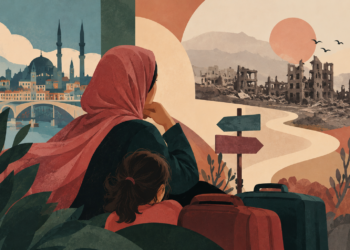
From the very first days of Israeli bombardment that hit southern Beirut, the Beqaa, and other parts of the Land of the Cedars at the end of September, our correspondents in Lebanon started covering the events and tragedies of this war—the tragic situations of the displaced, the segregation of Syrians without a home and the Asian and African domestic workers whose bosses left them without a forwarding address. As the Israeli army targets all civilians, women, who are the most vulnerable, are always the first victims of armed conflict.
Manahel AlSahoui, a Syrian journalist who has taken refuge in Lebanon, refuses to lose her empathy and humanity because of the racist behavior she has been subjected to during her exile. She writes about it in a touching blog.
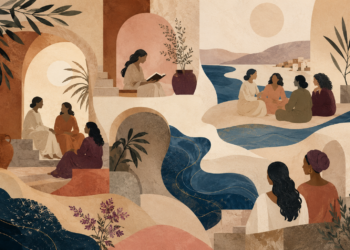
Another blog, another universe: Pascale Sawma, our correspondent in Beirut, shares with our readers her dreams and introspections, delicately described, of a forbidden normalcy in such a complex Middle East. Hajar Assaad, for her part, is still reeling from the shock that her village, in the southern Lebanese district of Saida, has become a specter, a piece of… Gaza.
These tragic events, which are destroying a country already shaken by the drastic devaluation of its currency and with public infrastructure on the brink of collapse, particularly following the COVID-19 pandemic and the 2020 Beirut port explosion, are also encouraging women civil society activists to launch initiatives in strong solidarity with the victims. A glimmer of light in an armed conflict that has so far displaced almost 1.5 million people in a country with a population of just five million.