Cette publication est également disponible en : Français (French) العربية (Arabic)
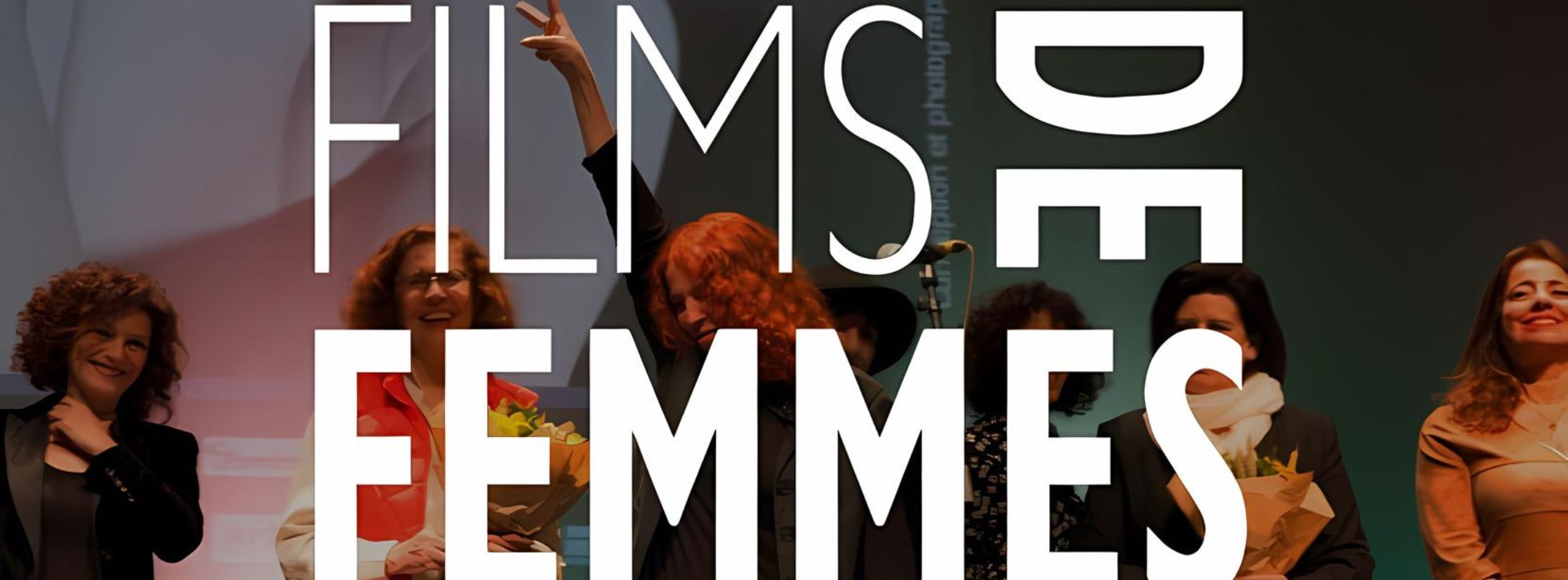
Photo credit for featured image: © Créteil International Women’s Film Festival
The Palme d’Or awarded last year to Anatomy of a Fall by French director Justine Triet highlighted a story that places the female experience defying patriarchal order at the heart of its narrative, and this film continued to collect prestigious awards throughout 2024. Tunisian director Kaouther Ben Hania’s Four Daughters may have been met with less global success, but it also stood out through its female characters “taking their destiny into their own hands,” as researcher Emna Mrabet points out in an interview.
Cannes 2024, which with its shininess attracts young girls searching for idols but who were also awakened by the Me Too of French cinema, has done it again this year, prioritizing stories committed to shining a light on women: the sex workers in Sean Baker’s Anora (Palme d’Or), and the Mexican cartel leader beginning a gender transition in Jacques Audiard’s Emilia Perez (Jury Prize).
This high mass of world cinema is also intent on highlighting works depicting the female gaze, even when they are produced by men. This is a fundamental shift that is gaining ground in its decision to “film the multiplicity of the feminine and make the voices of women who are not heard resonate…” as Iris Brey writes in her book-manifesto addressing the female gaze.
This perception is also manifested in the documentary Bye Bye Tiberias by Lina Soualem, which is dedicated to the memory of a lineage of Palestinian women, and much more. The documentary was present in the selection of the Annaba Mediterranean Film Festival in Algeria.
The “on-screen revolution” announced by Brey is only just beginning…