Cette publication est également disponible en : Français (French) العربية (Arabic)
Since the escalation of clashes on the Lebanese border in October 2023, southern Lebanon has become one of the most dangerous areas for media coverage in the region. Repeated Israeli attacks have targeted journalists while they were working in the field, amid mutual accusations and conflicting accounts regarding the nature of these strikes.
The latest of these tragedies was the targeting of several journalists on Wednesday, April 8, a day described as Black Wednesday, when Israel launched intense airstrikes on the Lebanese capital, Beirut, its southern suburbs, and other areas, killing more than 350 people and injuring 1,200 others.
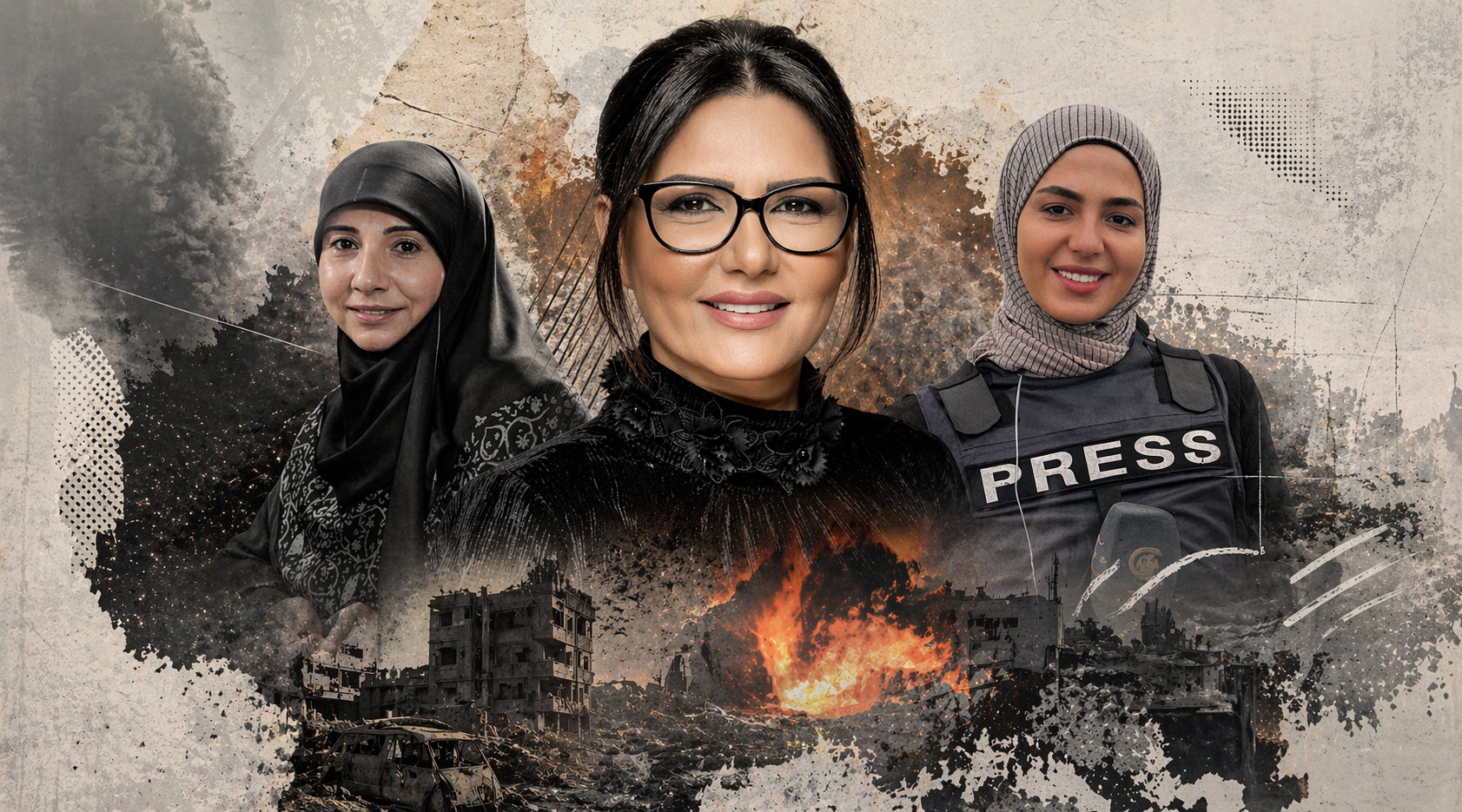
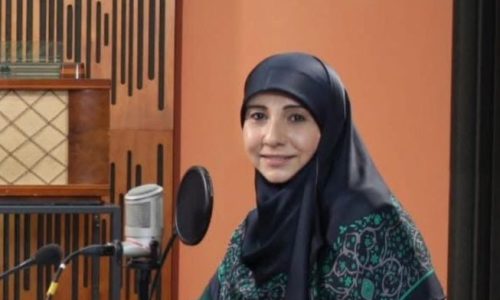
The targeted journalists were Suzanne al-Khalil (in Kayfoun, South Lebanon) and Ghada Dayekh (in Tyre, South Lebanon). This coincided with the killing of Al Jazeera correspondent Mohammed Washah in an Israeli airstrike on a civilian vehicle in the Sheikh Ajlin neighborhood of Gaza.
This brings the number of journalists killed by Israel to 28 in Lebanon and 262 in Gaza.
The war began on February 28 with a joint US-Israeli attack on Iran, to which the latter responded by launching strikes on Israel and US bases in the Gulf states. Hezbollah, Iran’s Lebanese ally, quickly joined the confrontation, launching rockets toward Israel. On April 17, a fragile ceasefire came into effect in Lebanon following a round of negotiations.
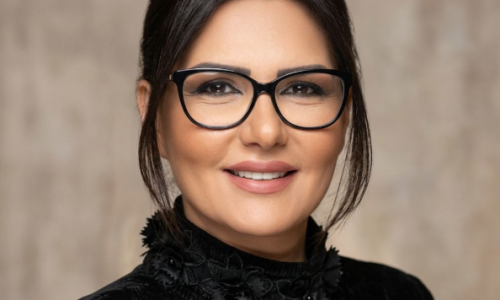
The risks facing female journalists are increasing
Journalist and activist Nahla Salama says, in this regard, “This war is different from previous wars because it is more brutal. Today, I am covering events in Beirut, which is no longer safe; even shelters may be at risk.”
“The risks are increasing, while our ethics require us to be present in multiple locations to get the image through,” Salama continues. “Targeting journalists is part of an effort to obscure the truth. This is what Israel is doing. But our role is to deliver the truth and the reality. Journalists are also subjected to online campaigns led by political parties and movements, which further complicates the profession and its practice at the moment.”
“We risk our lives for the sake of the truth,” she adds.
Targeting journalists is part of an effort to obscure the truth.
In contrast, journalist Rana Najjar believes that “the presence of women journalists, specifically women journalists, at the scene of events—especially in displacement centers and the homes of those affected—instills trust and a sense of comfort, particularly when there are women present or when we are reporting on women’s stories. Being a woman has genuinely helped me and made others feel at ease.”
However, Najjar also points to an incident she experienced while covering events. “Some young men in the neighborhood didn’t like that I was a woman. They tried to belittle me.”
“We risk our lives for the sake of the truth,” she adds.
Journalists worked in a “constantly high-risk” environment in the recent war.
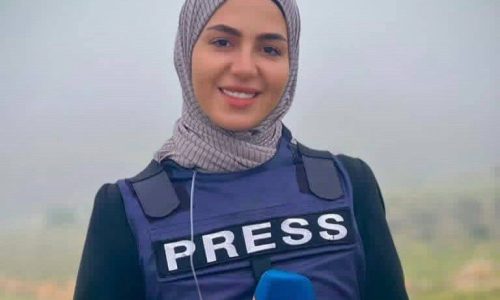
Targeting coverage locations
According to data from the Committee to Protect Journalists (CPJ), several journalists were killed in Lebanon during the 2023-2024 war while covering events on the front lines. The CPJ also emphasizes that some of the victims were working in locations that were clearly identifiable as media coverage sites.
Human Rights Watch has also documented that a number of attacks targeting journalists in Lebanon raise “serious concerns” about respect for the rules of distinction under international humanitarian law, particularly when the victims are civilians who can be identified as members of the press.
In southern Lebanon, journalistic coverage is no longer separate from direct military danger. The Samir Kassir Foundation (SKeyes) notes that journalists during the recent war worked in a “constantly high-risk” environment, exposed to nearby shelling, direct targeting, or field restrictions that limited their ability to report freely.
In one of the most telling examples of the severity of the situation, Al-Manar TV correspondent Ali Shoeib was killed along with two of his colleagues, including reporter Fatima Ftouni, in an Israeli airstrike that targeted their vehicle in South Lebanon while they were covering events in the field, about a week before what became known as Black Wednesday, mentioned earlier.
According to field accounts, the crew was providing live coverage of events on the border when their vehicle was struck. Press reports indicated that the location was known as an active media site, sparking widespread debate about the nature of the attack and whether it was part of a direct military operation or an indiscriminate strike. Israel later concluded the debate by announcing that it had targeted Shoeib.
CPJ notes in its reports that this type of incident cannot be separated from a broader pattern of attacks targeting journalists in Lebanon during the war. The organization documented the killing and wounding of media professionals while they were carrying out their duties in areas identified as active field coverage sites.
International legal framework: Journalists are protected civilians
The United Nations, through the principles of international humanitarian law, affirms that journalists are considered civilians during armed conflicts and may not be targeted unless they are directly participating in hostilities.
Any deliberate or indiscriminate targeting of journalists may amount to a grave breach of the Geneva Conventions, necessitating an independent and transparent investigation to determine responsibility. But the war’s intensity in Lebanon and the wider region has meant that the cases of journalists killed on the battlefield are often treated as mere collateral damage, left without scrutiny or even sustained public attention.
In Lebanon, journalists face significant dangers that are not limited to Israeli airstrikes. Reporters and media outlets are also subjected to smear campaigns and hacking, particularly by Hezbollah and groups affiliated with it. A group called the Liwa Fatemiyoun (Fatemiyoun Brigade), said to be linked to Hezbollah, has reportedly hacked several websites, including even the Lebanese Ministry of Information’s website. The aim, it is claimed, is to restrict and silence the media.