About us
  • it VO
  • fr Français
  • en English
  • ar العربية
No Result
View All Result
Medfeminiswiya - Mediterranean feminist media
  • On the move
  • In-depth
  • Files
  • Artistic Creations
  • Interviews
  • Opinions
  • World
Medfeminiswiya - Mediterranean feminist media
  • On the move
  • In-depth
  • Files
  • Artistic Creations
  • Interviews
  • Opinions
  • World
No Result
View All Result
Medfeminiswiya - Mediterranean feminist media
Home Interviews

An interview with Tesh Sidi: Migrants in Parliament and inclusion by identity

Contributor with Medfeminiswiyaby Contributor with Medfeminiswiya
22 January 2025
An interview with Tesh Sidi: Migrants in Parliament and inclusion by identity

Tesh Sidi is a politician, computer engineer, Big Data expert, and social policy content disseminator born in the Sahrawi refugee camps in Algeria. A holder of Spanish nationality as well, Sidi’s influences stem from Arab and Muslim values as well as Western culture, a diversity that has strengthened her commitment to activism and inclusion in her work and life more generally. An interview.

Interview by Bonina M. Cheikh
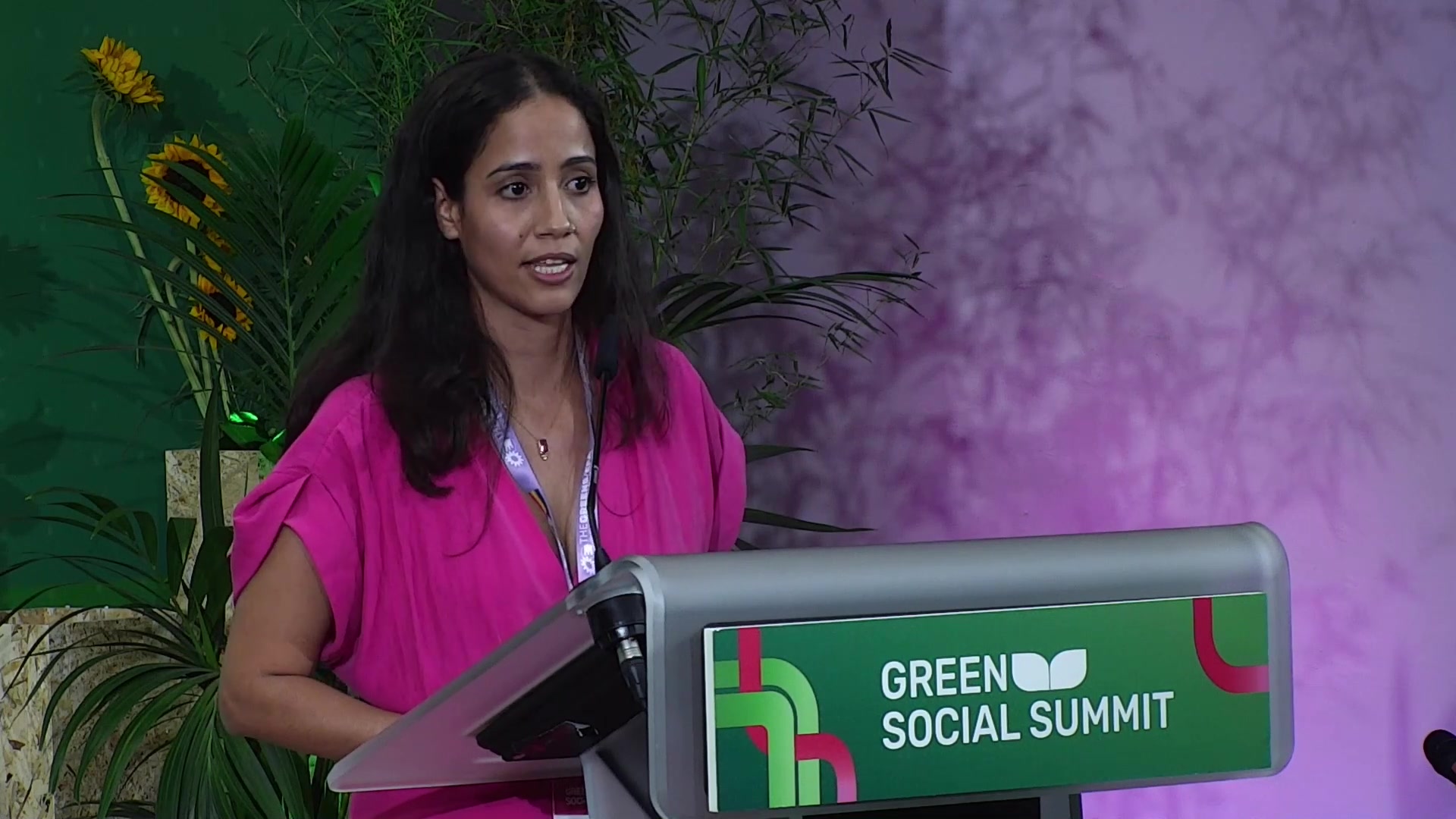
Picture of Tesh Sidi. Source of the image: Wikimedia Commons.

J: Tesh, how do you remember the early years of your life? What values or principles did your family and community pass on to you?

Tesh Sidi: I was born in 1994 in the Sahrawi refugee camps. I had a difficult childhood given the lack of resources, but I learned the value of unity and solidarity. My mothers and my environment taught me to prioritize justice and dignity, which represent the Sahrawi people so well.

I recognize that I am a strange subject within my own society—I am not what some would traditionally call “Sahrawi.” As a child, I knew that I would be the only girl in my house to study in Europe, and of course I also knew I had to safeguard our family’s honor, something that limits our most essential freedoms as women. This contradiction created the perfect cocktail for an identity crisis, but it is also a recipe for constant learning. A reality for many Sahrawi women: advancing our human rights and overthrowing patriarchal rule is a priority.

J: As an immigrant woman, what barriers have you faced and how have they marked you?

TS: My main struggle has been for citizenship rights and against administrative irregularity. I was born in a context of statelessness and was an illegal minor in Spain for three years during which I lived with a Spanish family. This caused me trauma because I was constantly afraid of the police and was separated from my parents. It took me 20 years to obtain Spanish nationality, and the entire process was full of uncertainty. Though my experience is not the worst example, I am concerned about the marginalization which thousands of migrants in Spain are subjected to.

“Advancing our human rights and overthrowing patriarchal rule is a priority.”

J: From your perspective, what is characteristic about feminism in displaced communities such as the Sahrawi camps?

TS: In my opinion, feminism as an emancipatory and political movement has a clear, singular definition. But what needs to be considered is the reality and context that women are living in. We are no strangers to the realities of Sahrawi, Palestinian, or Afghan women and understand how challenges differ under patriarchal oppression intensified by colonial domination. Western feminist movements often forget the different types of suffering that non-Western women endure.

I am fortunate to know two cultures and to be able to navigate them, but above all to build bridges with my ancestors and understand that breaking with my own culture or past will not help me to connect with my own daughters in the future.

J: As an engineer and Member of Parliament, what barriers have you faced and how do you combine your technical background with your social activism?

TS: Although computer engineering was not my first choice, it turned out to be one of the best decisions I made because of the versatility it offers. I specialized in data and worked in communications to amplify the voice of my people.

I am currently a member of Congress, representing the Community of Madrid and Más Madrid. Over time I understood the importance of politics in representing my people. Although I have only been in politics for a short time, I have learned a lot, and I support social movements. My presence represents the legacy of those who came before me, but it is still not enough to achieve all our demands.

“My presence represents the legacy of those who came before me”

J: As Vice-Chair of the Economic Committee, how do you perceive inclusion in technology and economic policies, and do you see any progress?

TS: Migrants remain marginalized in politics in Spain and Europe, with little representation and no voice in the media or Parliament. Despite racist discourses and limited opportunities for participation, I continue to fight not to be reduced to the role of “migrant,” defending my profession and advocating for an inclusive perspective with the support of allies inside and outside politics. Spain has made progress in feminism in recent years, but challenges remain in areas such as housing and job insecurity, fields that are essential for women victims of gender-based violence. Progress is not guaranteed, as evidenced by leaders such as Trump or Bukele. It is crucial to protect our human rights collectively and to create change in politics through feminism and inclusion.
Notes: Tesh Sidi’s profile 
Contributor with Medfeminiswiya

Contributor with Medfeminiswiya

Share your content with us - Partagez vos contenus avec nous - ِشاركونا المواد الخاصة بكم/ن. راسلونا: info@medfeminiswiya.net

Leave a Reply Cancel reply

Your email address will not be published. Required fields are marked *

J'accepte les termes et conditions et la Politique de confidentialité .

Related articles

Related posts

Society’s view of aging women and the stereotypes women are trying to break—An interview with Özgün Biçer
Files

Society’s view of aging women and the stereotypes women are trying to break—An interview with Özgün Biçer

by Arjin Dilek Öncel
16 March 2026

Related posts

Dr. Alice Rothchild: “In Gaza, women have a high-risk pregnancy”
In-depth

Dr. Alice Rothchild: “In Gaza, women have a high-risk pregnancy”

by Inès Atek
6 February 2024

JOIN OUR NEWSLETTER

Original content. Feminist journalism. Straight to your inbox.

    Related posts

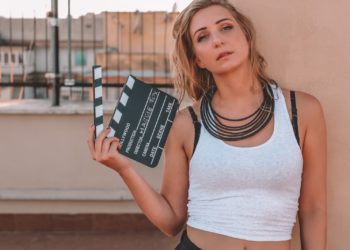
    A Filmmaker’s Journey: Inside the Creative World of Margarita Bareikyte
    Interviews

    A Filmmaker’s Journey: Inside the Creative World of Margarita Bareikyte

    by Contributor with Medfeminiswiya
    17 February 2025

    Related posts

    And what if women managed money?  An interview with Giovanna Badalassi.
    On the move

    And what if women managed money? An interview with Giovanna Badalassi.

    by Cristiana Scoppa
    2 May 2022

    Popular articles

    Thirty and single… so what?
    On the move

    Thirty and single… so what?

    by Pascale Sawma
    1 March 2022
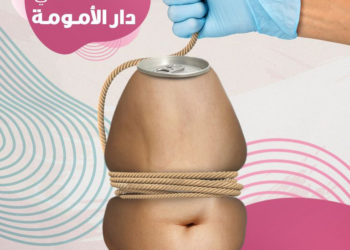
    Giving birth with an open womb or when Caesarean section becomes the norm in Egypt
    Abortion and SRHR

    Giving birth with an open womb or when Caesarean section becomes the norm in Egypt

    by Contributor with Medfeminiswiya
    27 September 2021
    All We Imagine as Light : three intertwined female stories
    Artistic Creations

    All We Imagine as Light : three intertwined female stories

    by Rabab El Mouadden
    7 May 2025
    On the move
    In-depth
    Files
    Artistic Creations
    Interviews
    Opinions
    World
    On the move
    In-depth
    Files
    Artistic Creations
    Interviews
    Opinions
    World

    Medfeminiswiya is a feminist network that brings together women journalists working in the fields of media and content production in the Mediterranean region.

    • About us
    • Country Context
    • Our community
    • Become a member
    • Our partners
    • Editorial charter
    • Disclaimer

    Follow us :

    JOIN OUR NEWSLETTER

    Original content. Feminist journalism. Straight to your inbox.

      © 2026 Medfeminiswiya – Mediterranean Network for Feminist Information

      Back to top

      Welcome Back!

      Login to your account below

      Forgotten Password?

      Retrieve your password

      Please enter your username or email address to reset your password.

      Log In

      Add New Playlist

      No Result
      View All Result
      • On the move
      • In-depth
      • Files
      • Artistic Creations
      • Interviews
      • Opinions
      • World
      • it VO
      • fr Français
      • en English
      • ar العربية

      © 2026 Medfeminiswiya - Mediterranean Network for Feminist Information

      Ce site n'utilise pas de cookies. This website does not use cookies. هذا الموقع لا يستخدم ملفات تعريف الارتباط.