
Cette publication est également disponible en :
The show Bab Rezek (Doors of Livelihood), broadcast on Tunisia’s El Watania 1 television channel, is one of this year’s soap operas that addresses the suffering of Tunisian women working in agriculture and fields.
Scriptwriter Mohamed Ali Damak chose to focus the story on the lived reality of rural women, a theme that was also touched upon in the series Ragouj by Abdelhamid Bouchnak, though it undergoes different dramatic treatment. It won the National Radio Award for Best Drama Action that presents a positive image of women, in addition to a number of other awards.
Rural women and death trucks
The events of Bab Rezek take place in rural country, on the lands of Hajj Taher (played by Kamel Touati) and Salim (played by Khaled Houissa), who has returned from abroad after more than 20 years. It reflects the conflict between past and present, between those who dig through the past searching for answers and those who want to keep it hidden to escape a heavy burden and accountability. We delve into the details of the daily lives of rural women working in these fields.
Rural women working in the fields adjust their lives to follow the sunrise and sunset. They work in groups, reaping fruits and arranging them with great care. They are united by their quest to improve their economic conditions and to confront the harshness and vicissitudes of life.
Among the tragedies of working rural women is the means of transportation that take them to their places of work or somewhere nearby. In Ragouj, starring Aziz Jebali, Yasmine Dimassi, and Bahri Rahali, the character of Aida (played by Arwa Rahali) dies after being run over by a rural transport truck with a reckless driver. Mahbouba is also transferred to intensive care, while Zahra in Bab Rezek suffers the same fate after the tractor transporting her and a group of women to the field overturns.
These “death trucks” are a real problem in Tunisia, to the point that they cast a shadow over this year’s soap operas. These tragedies have also topped news bulletins over the past years, but none of the competent authorities has put an end to this phenomenon.
The term “death trucks” refers to trucks designated for transporting farmers to the fields. These trucks frequently get into accidents; according to the Tunisian Forum for Economic and Social Rights (FTDES), 69 accidents involving trucks transporting agricultural workers have been reported since 2015, causing the death of 55 people and injuring 853 others.
Rebelling against the stereotypical image of rural women
While the director of Bab Rezek contents himself with treating the death of Zahra, the woman working in Salim’s field, in a classic way, with scenes of crying, sadness, anguish, and heartbreak, director Abdelhamid Bouchnak turns sadness into silence at Aida’s funeral in Ragouj. This silence is only interrupted by the music of Belkacem and Pedro on the saxophone, inspired by the military march song La Marche.
The scene is completed with policemen saluting the procession in appreciation and respect for Aida, rural women, and the people of Ragouj carrying the foulard, a brightly colored scarf that women usually wear, and red basil flowers—an attempt by Bouchnak to represent charged emotions and intense symbolism of collective pain that’s renewed with every new accident that kills a Tunisian woman.
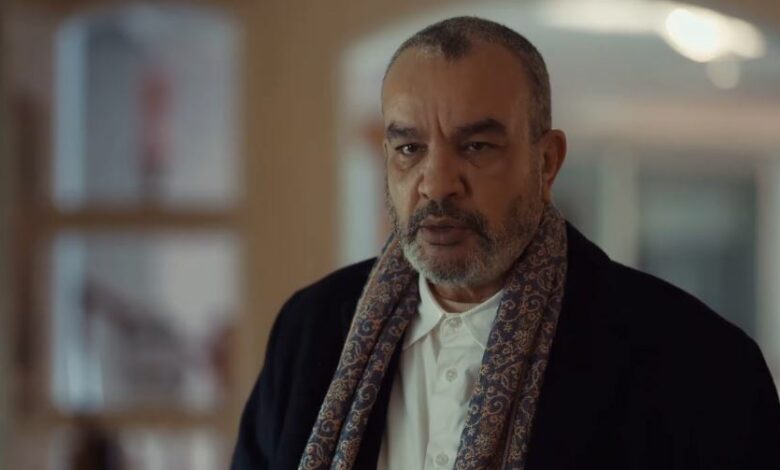
Bab Rezek offers different portrayals of women, particularly those who are exploited by the landlord. But in the midst of all this is Sabira, a character who seems different from the other rural women in how she thinks, her projects, and her dreams.
Sabira is an educated young woman who left the countryside to pursue a master’s degree in sociology, but she chooses to return in the end. She has an exceptional ability to capture the pain of women in her village and to understand the reasons for their fatigue and faltering attempts to achieve balance between their work and their wages.
Sabira, exceptionally played by Nabila Kouider, rebels against the stereotype that positions rural women only as oppressed victims. In that sense, the scriptwriter breaks the stereotypical image of the rural woman and offers a different one to viewers: not all rural women are the same, as each has her own personality, her own dreams and fears that are unique to her.
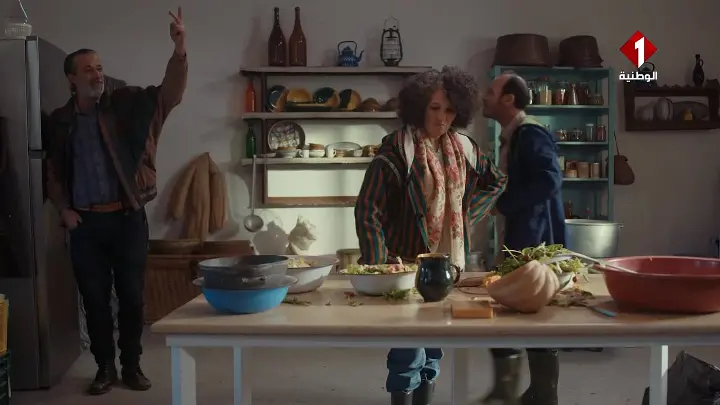
Sabira becomes Salim the field owner’s well of secrets; he sees in her the ability to understand the different mentalities of the women workers and internalize their concerns, and he also understands that she can adapt his project to make it more realistic. She becomes an essential link between what’s real and what’s hoped for. It seems the scriptwriter did not choose her name in vain: Sabira, meaning patience, is indeed patient and wise in an environment that doesn’t seem keen on changing mindsets and women’s conditions.
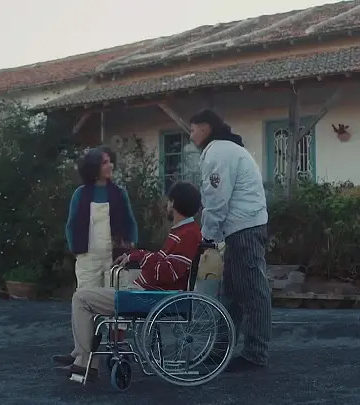 Over the course of the show’s 20 episodes, Sabira’s presence expands and becomes more influential and interactive with her surroundings. She is everyone’s refuge; everyone seeks her advice and finds reassurance and tranquility in her company. She refuses to marry Salim and makes him turn the page on the past, but when she finds out that he needs help, she stands by his side, listening to him and offering advice.
Bab Rezek is not a song praising rural women, but a work that reflects the harshness of their reality: they are victims of their landlord, of pressure, of life. The added value of this show lies in the possibility of having an educated, thoughtful young rural woman who is full of ideas for new projects be the meeting point for the rest of the characters and their own stories. This detail that the director focuses on is offered as a solution, a way out of the bitterness of reality.