Topics covered in depth in various journalistic formats, and cross-perspectives on feminist struggles, realities, and issues in the Mediterranean.
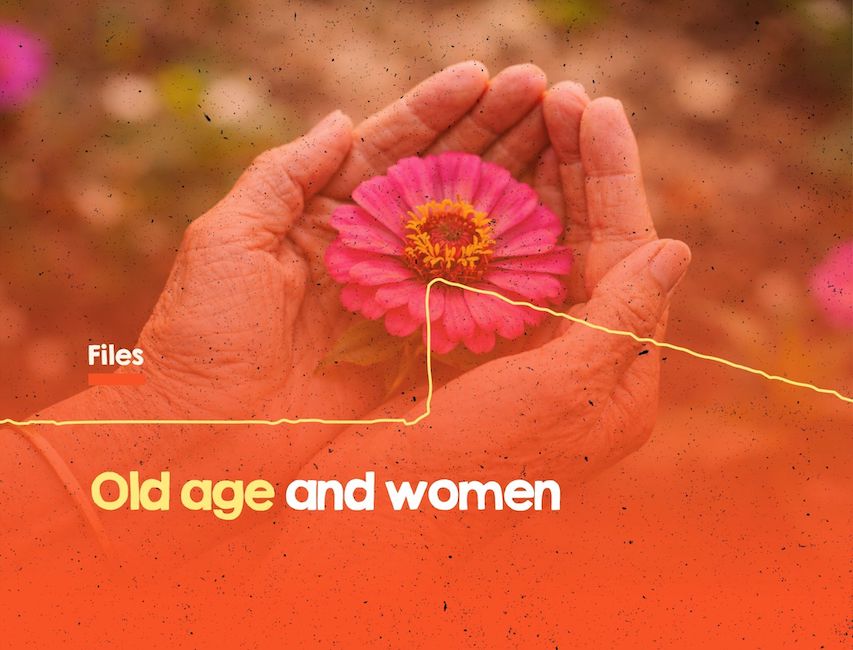
Old age and women
Could old age be, for women, the age of regained freedom? A moment when they finally allow themselves time—for their own interests, for leisure and for a social life. Detachment, experience and self-assurance seem to be the defining features of this stage of life, despite the persistent injunctions for women to remain forever young, slim and beautiful.
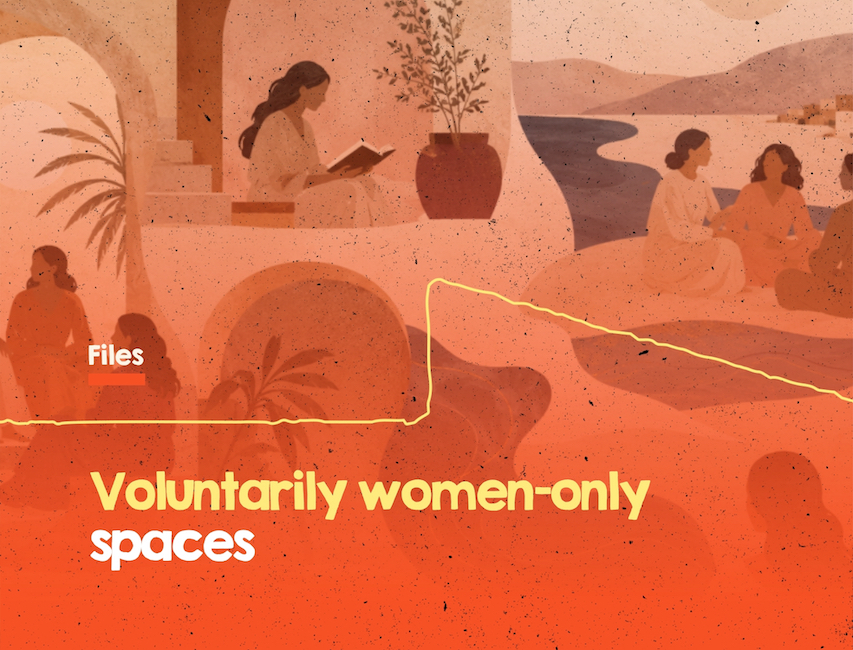
For the past decade, women-only spaces have been multiplying around the world, including around the Mediterranean, a trend particularly driven by the #MeToo movement. It continues to broaden its horizons and expand into increasingly diverse areas, offering women the opportunity to reclaim spaces traditionally occupied by men or to create spaces of their own where they are able to express themselves freely.
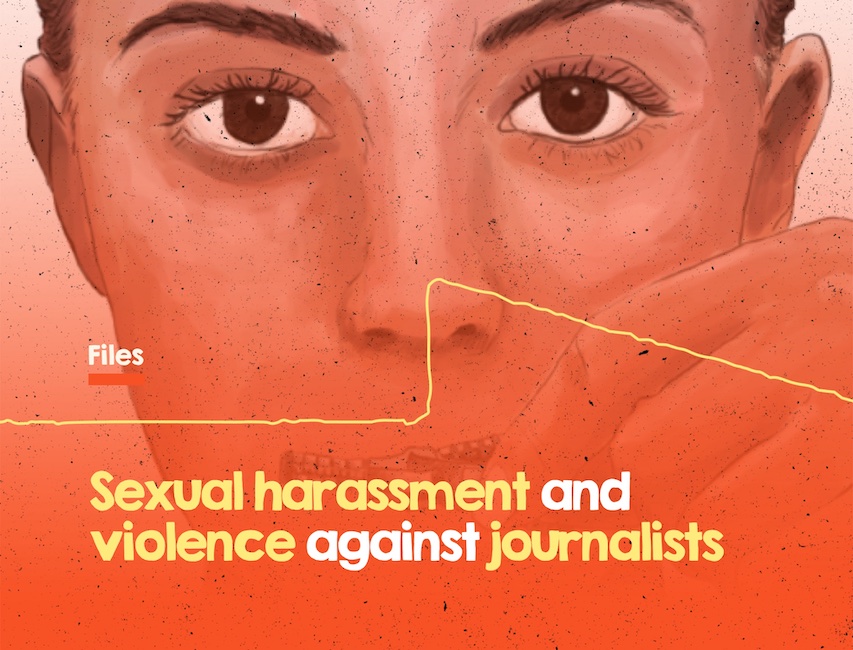
Sexual harassment and violence against journalists
Sexual harassment, workplace discrimination, online hate campaigns, legal persecution, assaults, and wartime violence: women journalists are targeted not only because they do their job, but also because they are women. This dossier brings together investigations, testimonies, and analyses examining the many strategies used to intimidate, discredit, and silence them.
Could old age be, for women, the age of regained freedom? A moment when they finally allow themselves time—for their own interests, for leisure and for a social life. Detachment, experience and self-assurance seem to be the defining features of this stage of life, despite the persistent injunctions for women to remain forever young, slim and beautiful.
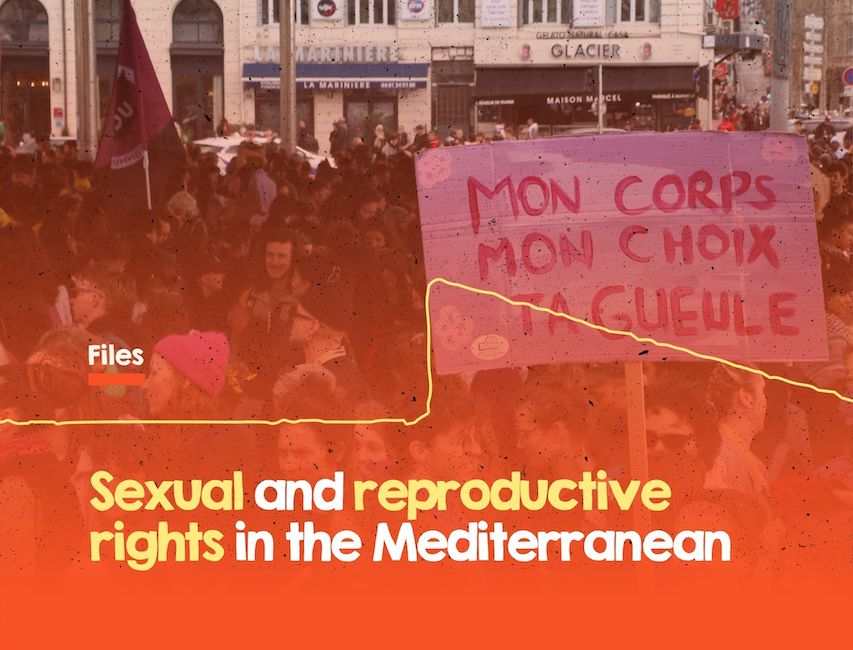
Sexual and reproductive rights in the Mediterranean
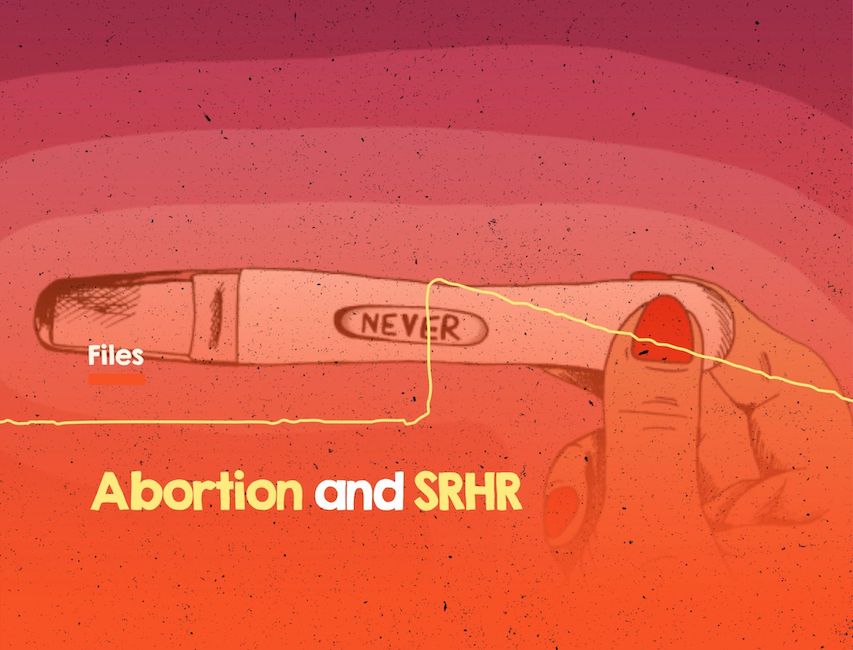
Between advances and setbacks, the battle for the sexualand reproductive rights of Mediterranean women is far from won. This new report examines the struggle of women on both sides of the Mediterranean to regain control over their bodies.
Undoubtedly, Mediterranean women artists—those who venture further than most—have raised new questions, provoked ruptures, and expanded the horizons of what’s possible. This feature sheds light on the bold, boundary-pushing approaches of some of them.
While terms like war, rearmament, and nuclear umbrella have been dominating the headlines since Donald Trump’s inauguration for his second term as president of the United States on January 20, 2025, Medfeminiswiya has chosen to take a step in the opposite direction and talk about ecofeminism this March 8, for International Women’s Day.
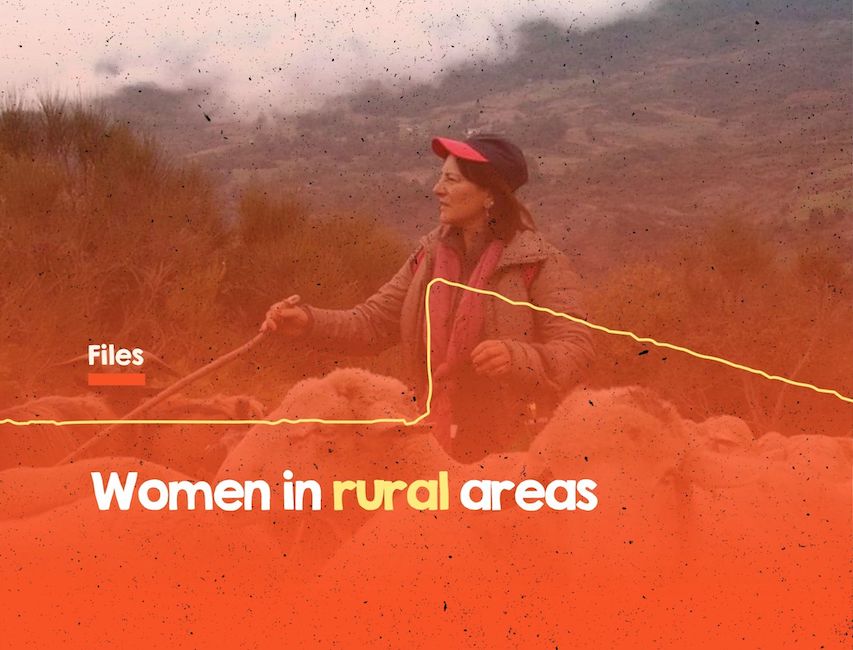
The Mediterranean basin is vast. Its scenes of everyday life, with women busy in the streets, are numerous. Despite the rights and freedoms that women have won in recent decades through feminist struggle, public space in many towns and villages on both shores of the Mediterranean is still a territory dominated by the masculine plural.
On both shores of the Mediterranean, one constant emerges: women’s bodies are a social, political, aesthetic, ethical, and economic issue. Caught between social control, submission, and emancipation, how do women navigate this tyranny of appearance? Here’s an in-depth exploration of a topic that has deeply inspired our editorial team.
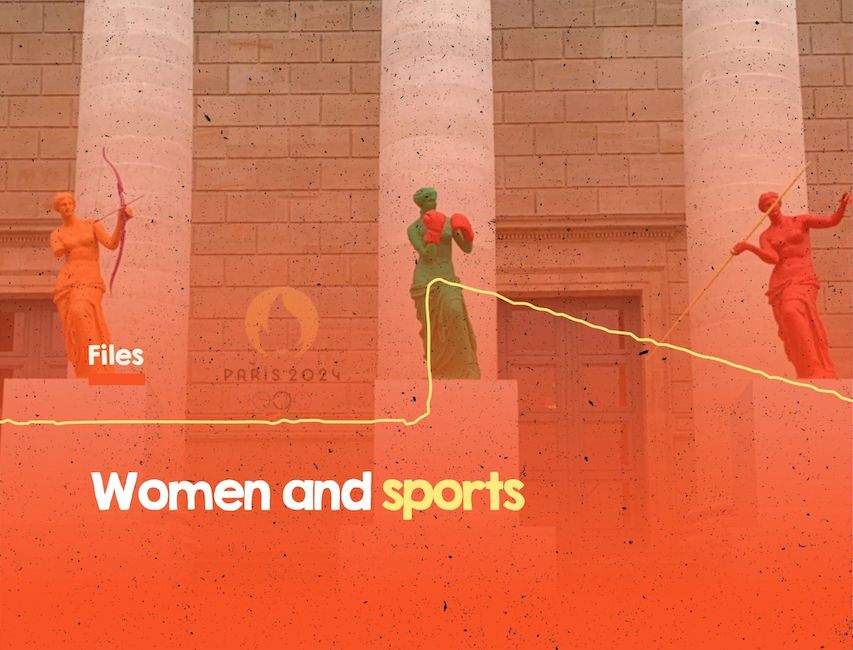
In one day’s time, from July 26 to August 11, the Paris Olympic Games open. For the first time in history, the Games are welcoming an equal number of male and female competitors. Despite the various obstacles, here and elsewhere in the Mediterranean, more than ever before sport is an engine of emancipation for women. This dossier on Women and Sports demonstrates as much.
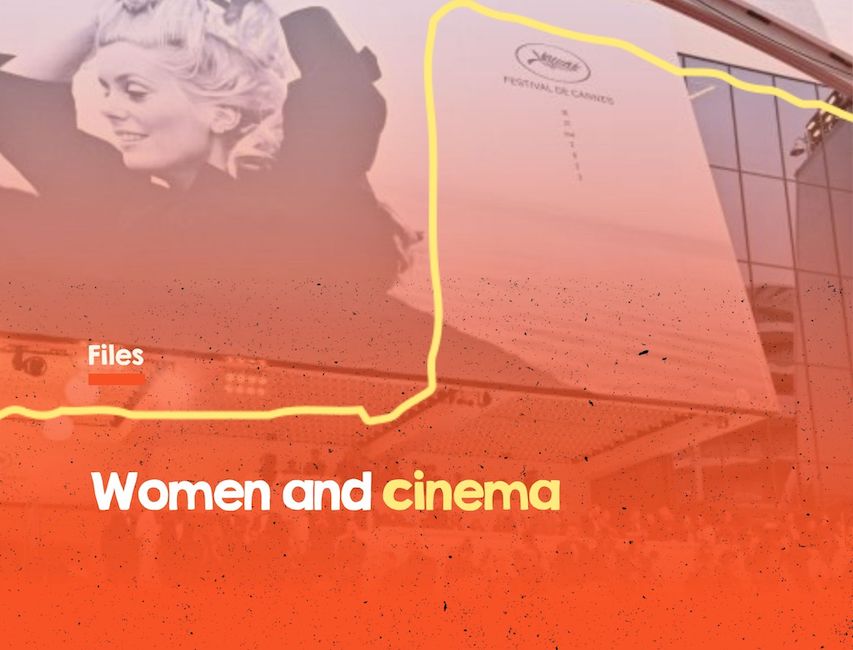
It’s the second consecutive season in which the Cannes Film Festival has honored women and their struggles. This high mass of world cinema also seems to be intent on highlighting works lensed with the female gaze, even when they are produced by men.
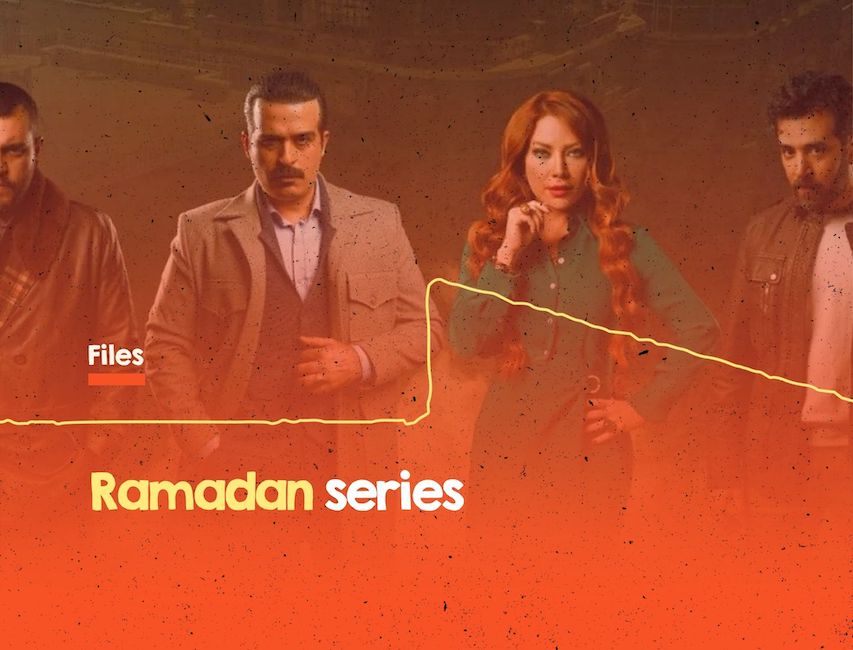
Over the month of Ramadan, from Lebanon to Tunisia, Syria to Palestine, passing through Algeria, Egypt, and Morocco, viewers across Arab-Muslim countries share an almost sacred ritual: watching soap operas produced mainly for consumption during this month of fasting.
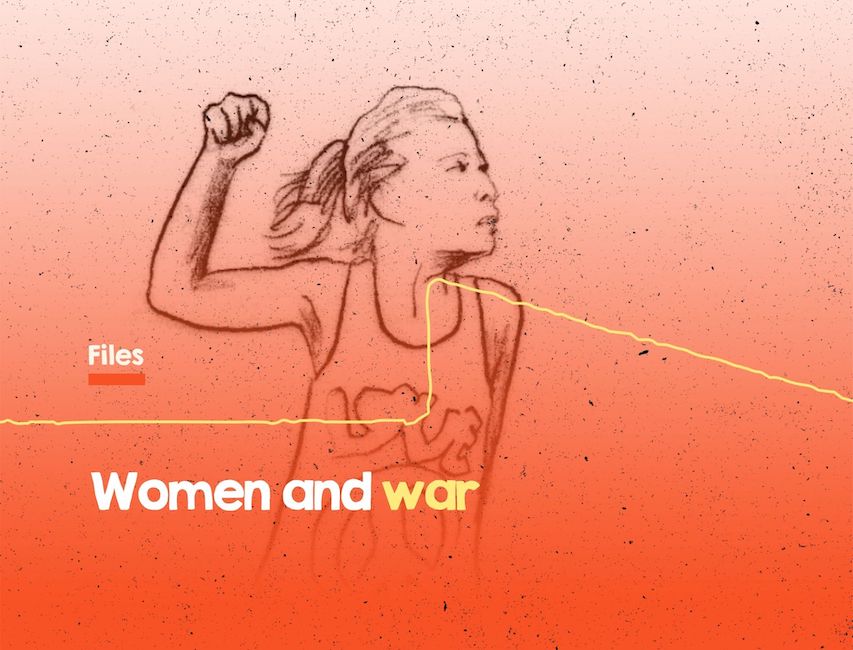
This dossier, encompassing the words, reports, and articles of Mediterranean feminist journalists who live either on the front lines of armed conflict or nearby, intends to give a face, a name, and flesh to all the women who fight to maintain their dignity in situations of extreme violence.
Even in vulnerability and economic, social, and legal marginalization, women are not equal to men. But this doesn’t include their fighting spirit and their astounding capacity to resist and revive themselves. Because women, in fighting for their survival and that of their children, manage to address injustice head-on.
Press Freedom from the Perspective of Women Journalists
Journalists across the Mediterranean are facing mounting challenges in carrying out their profession due to an increasingly oppressive media environment in the region.
For this 8th of March, Medfeminiswiya journalists have analyzed the price of sanitary products against the economic reality of the most precarious women in their respective countries.